


Eye Ointment: What is it, How to Use it, and Types
Published on January 8th, 2026
 Canada
Eye ointments are an eye medication, similar to eye drops, that is a thick, gel-like eye paste that is directly applied to the lower eyelid in a small quantity. Eye ointments are typically used as a method to directly apply a necessary medication to the eye, without having to dilute the medicine itself.
Eye ointment can be prescribed or bought over-the-counter (OTC). Prescribed eye ointment or OTC eye ointment can be purchased and used as an eye infection cream against bacteria or virus infections, or as an eye paste or eye moisturising ointment that can be applied to prevent dry eyes and eye swelling, depending on the conditions of the eye and the full diagnosis and recommendation of a doctor or other health professional.
What is Eye Ointment?
Eye ointment, also known as ophthalmic ointment, is a thick, gelatinous substance that may be composed of a type of medication, such as an antibiotic or antiviral liquid. Eye ointment is thick and semisolid when it is directly applied to the inside of the lower eyelid. It is the body's heat that melts the substance and spreads the liquid into smaller drops that linger where they were applied. Eye ointments are used to treat different types of eye conditions, such as infections or dry eyes. Eye ointment is most commonly applied to the eyelid at night.
What is the Importance of Eye Ointment?
Eye ointment is important as a choice of treatment for when eye drops aren't working or if a health professional feels they are more suited to treatment than eye drops. The substance eye ointment is typically made of, stays in the eyes for longer than eye drops, possibly making treatment faster and enabling medication to stay in long term contact with the eye.
What is the Use of Eye Ointment?
Eye ointment is used to treat conditions such as dry eyes, eye infections and eye allergies.
How to Use Eye Ointment?
To use eye ointment, clean your hands, take a hold of the tube, lean your head back a little, hold the ointment tube against your eye, pull down your lower lid slowly, put a small bit of eye ointment into your eye, drop your eyelid, close your eye gently for a minute and wipe off the excess with a clean tissue. The following steps explain how to apply eye ointment.
- Clean your hands: Clean your hands to ensure there is no dirt, infection or bacteria that could be passed into the eye.
- Take a hold of the tube: Take a hold of the tube gently; the heat from your hand may soften the ointment and allow it to flow out more smoothly.
- Lean your head back a little: Lean your head back a little to find a comfortable position to stay in.
- Hold the ointment tube up to your eye: Hold the ointment tube up to your eye to prepare to apply the liquid. Do not touch the eye with the tube.
- Pull down your lower lid slowly: Pull down your lower lid slowly in order to apply the eye ointment to the inside of it.
- Put a small bit of eye ointment into your eye: Put a small bit of eye ointment into your eye, specifically the lower eyelid, to apply the eye ointment.
- Drop your eyelid: Drop your eyelid by gently letting go of it to spread the ointment.
- Close your eye gently for a minute: Close your eye gently for a minute to spread the ointment across the eye and allow the ointment to settle.
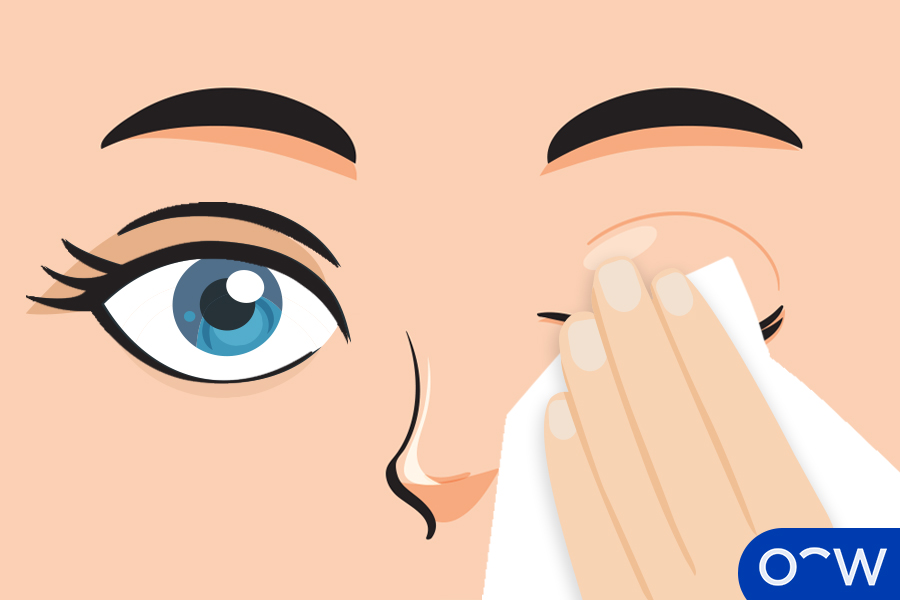
- Wipe off the excess with a clean tissue: Wipe off the excess with a clean tissue to ensure no remaining eye ointment will disrupt your vision.
1. Clean Your Hands
Before handling any medication or eye ointments, it is important to clean your hands. Washing with liquid soap is preferable, but any soaps without essential oils, shea butter or other additives are a good choice for completely sterile and clean hands. A clean towel should also be used, as dirt or debris from a towel or hands may get into the oil or the eye as you take hold of the tube.

2. Take a Hold of the Tube
Take hold of the tube in your hands to prepare to squeeze it onto the eyes, and also to heat the tube and ointment slightly so that it may flow out more easily. Ensure that you are holding the tube and are not squeezing it, as the tube may burst or cause a leakage, which means you might have to wash your hands again. Finding a decent grip on the tube will allow you to hold the tube comfortably as you lean your head back a little.

3. Lean Your Head Back a Little
Lean your head back a little, until your eye can see the ceiling. Finding a comfortable position for your head to tilt in will greatly assist in the next steps and stop you from having to constantly readjust as you hold the ointment tube against your eye.

4. Hold the Ointment Tube Up to Your Eye
Hold the ointment tube up to your eye in order to prepare to apply the liquid in the most comfortable and smoothest way possible. Holding the ointment tube up to your eye before you pull down your lower lid slowly can result in a quicker and easier process for applying eye ointment. Do not touch the eye with the ointment tube.

5. Pull Down Your Lower Lid Slowly
Pull down your lower lid slowly but gently to prepare for the eye ointment. The lower eyelid should be pulled to have just enough space to put a small bit of eye ointment into your eye. The space in the eyelid should be about pocket-sized, and for the most effective application of the eye ointment, find a position that can be held for a minute or less.

6. Put a Small Bit of Eye Ointment Into Your Eye
Put a small bit of eye ointment into your eye, more specifically into the pocket of the eye that has been opened up by the previous step of pulling down the lower lid slowly. First, put one small drop, the size of a grain, into your eye. Then, pull the eyelid slightly more and apply the ointment across the bottom eyelid, in a short line.

7. Drop Your Eyelid
Drop and let go of your eyelid gently in order to keep the eye ointment in your eye, and be sure to press down on the corner of your eye close to the bridge of the nose. This will prevent any medication from going down your nose. This can reduce the discomfort as you close your eyes gently for a minute.
8. Close Your Eyes Gently for a Minute
Close your eyes gently for a minute in order to apply the ointment placed across your lids directly around and across the eye itself. If possible, look downwards with your eyes closed. Closing your eyes may cause a stinging sensation, but it is important for keeping the ointment inside your eyelids, as any excess that was not trapped is wiped off.
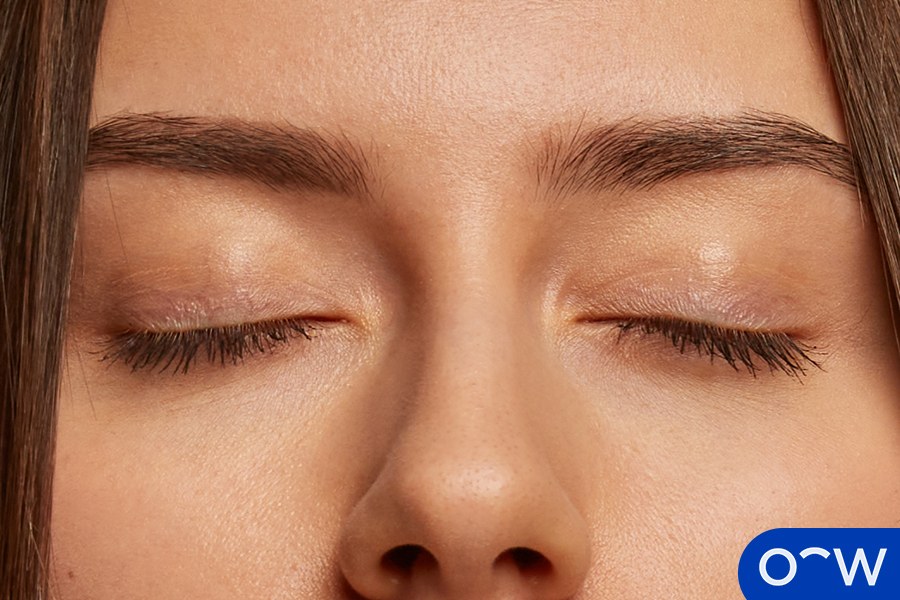
9. Wipe Off the Excess With a Clean Tissue
Wipe off the excess with a clean tissue in order to keep your vision clear and, additionally, to not have too much eye ointment in contact with your eyes and face. Wiping off the excess will also keep you from inhaling or swallowing the eye ointment or from the ointment going into your nose.
How Much Eye Ointment Should You Put on Your Eye?
1 cm of eye ointment along the lower eyelids is the best amount to apply to the eye, according to MyHealth Alberta.
What are the Different Types of Eye Ointment?
The different types of eye ointment are antibiotic ointments, antiviral ointments, anti-inflammatory ointments and artificial tear ointments. The different types of eye ointment are listed below.
- Antibiotic ointments: Antibiotic ointments are eye ointments that are used to treat eye infections, most commonly bacterial infections.
- Antiviral ointments: Antiviral ointments are eye ointments that are used to treat viral infections, such as eye herpes.
- Anti-inflammatory ointments: Anti-inflammatory ointments are eye ointments that are used to treat inflammation and swelling caused by eye conditions such as eye allergies.
- Artificial tear ointments: Artificial tear ointments are eye ointments that are used to treat dry eyes and similar conditions by coating the eye with lubricating substances.
1. Antibiotic Ointments
Antibiotic eye ointments refer to eye ointments that contain antibiotics and antibacterial substances such as chloramphenicol, bacitracin, polymyxin or neomycin. Antibiotic ointments are used to treat bacterial eye infections, which can cause conditions such as red eyes, eyelid infections, styes or blepharitis. Antibiotic ointments are best used for bacterial eye infections and may not be as effective in treating viral eye infections or similar conditions. Antibiotic ointments are most commonly prescription medications and may only be purchased with a health professional's recommendation.
2. Antiviral Ointments
Antiviral ointments refer to eye ointments that contain antiviral agents or medication to trial viral infections Antiviral ointments are used to treat viral eye infections such as infectious keratitis or eye herpes. Antiviral ointments are varied in purpose and construction; it is highly recommended to rely on an expert's opinion on the exact medication to use instead of trusting external or irrelevant sources. Antiviral ointments are most commonly prescription medications and may only be purchased with a health professional's recommendation.
3. Anti-inflammatory Ointments
Anti-inflammatory ointments refer to eye ointments that contain anti-inflammatory substances, such as corticosteroids and NSAIDS. Anti-inflammatory ointments are used to treat eye conditions that cause swelling and inflammation, such as eye allergies or eye injuries. Anti-inflammatory ointments are most commonly prescription medications and may only be purchased with a health professional's recommendation.
4. Artificial Tear Ointments
Artificial tear ointments refer to eye ointments that contain substances such as carboxymethylcellulose or paraffin. Artificial tear ointments are used to treat dry eyes or relieve symptoms of conditions such as eye allergies or inflammation by providing the eye with lubrication it may not be receiving. Artificial tear ointments are over-the-counter medications that can be purchased without a prescription.
Please do not use artificial tear ointments without a medical professional's recommendation.
What Are the Most Commonly Used Eye Ointments?
The most commonly used eye ointments are chloramphenicol and tobramycin. The following are the most commonly used eye ointments.
- Chloramphenicol: Chloramphenicol is an antibiotic used to treat infections such as bacterial conjunctivitis.
- Tobramycin: Tobramycin is an antibiotic that is used to treat bacterial eye infections and may additionally act as an antiseptic.
Chloramphenicol
Chloramphenicol is an eye ointment form that helps to treat bacterial eye infections such as conjunctivitis. Chloramphenicol eye ointment is an antibiotic that helps combat eye infections by slowing the growth of bacteria. It can be used to treat bacterial eye infections that include bacterial conjunctivitis.
2. Tobramycin
Tobramycin is an eye ointment that is used to treat severe infections and may also be used as an antiseptic. Tobramycin eye ointment is an antibiotic eye ointment and is commonly used to treat bacterial eye infections by killing the bacteria, and is a possible antiseptic for use after an eye injury or eye surgery. Tobramycin is a prescription medication and cannot be purchased over-the-counter.
What Type of Eye Ointment is for Dry Eyes?
Artificial tear eye ointments may be used to treat dry eyes and similar conditions, as these ointments help bring lubrication to the eyes.
Please do not use artificial tear ointments without a medical professional's recommendation.
What Type of Eye Ointment is for Red Eyes?
Antibiotic, antiviral, anti-inflammatory and artificial tear ointments may all possibly be used in order to treat red eyes, as each ointment may be effective in treating the cause of the red eye, such as swelling, dry eyes or infection.
It is recommended to see a health professional to determine the possible cause and treatment of red eyes.
What Type of Eye Ointment is for Bacterial Conjunctivitis?
Antibiotic eye ointments may be used to treat bacterial conjunctivitis and conjunctival infections and may include specific eye ointments such as gentamicin or erythromycin, which is also used to treat other eye infections.
It is recommended to see a health professional to determine the possible cause and treatment of conjunctivitis.
What Type of Eye Ointment is for Blepharitis?
Anti-inflammatory eye ointments that may be used to treat blepharitis may include corticosteroids or antibiotic eye ointments such as Hydrocortisone eye ointment or chloramphenicol eye ointment. This will reduce inflammation or prevent bacteria from causing the uncomfortable symptoms of blepharitis.
Do not use anti-inflammatory eye ointments without a medical professional's recommendation.
What Type of Eye Ointment is for Bacterial Infections?
Antibiotic eye ointments may be used to treat bacterial infection and may include specific eye ointments such as Erythromycin eye ointment, which is specifically targeted towards addressing bacterial eye infections.
Antibiotic eye ointments typically require a prescription from your doctor and should only be used with a medical professional's diagnosis.
What are the Benefits of Eye Ointment?
The benefits of eye ointment are thicker drops, multiple conditions treated, and faster treatment. The benefits of eye ointment are listed below.
- Thicker drops: Thicker drops are a benefit of eye ointment because it allows any treatments or medicines being applied to the eye to last longer than other medication such as eye drops.
- Multiple conditions treated: Multiple conditions treated is a benefit of eye ointment because the types of medication contained in eye ointments, in combination with the thicker drops, may result in multiple eye conditions being treated when the medication is used.
- Faster treatment: Faster treatment is a benefit of eye drops because eye ointments can directly make contact with the conditions they are treating and will stay on the eye for longer once they are applied, allowing for stronger treatment.
What are the Side Effects of Eye Ointment?
It is important to seek medical attention if you experience any side effects from eye ointments. The potential side effects of eye ointment can depend on exactly which eye ointment was used. Possible side effects of eye ointments may be blurred vision, red eyes, eye pain and watery eyes.
The possible side effects of eye ointment are listed below.
- Blurred vision: Blurred vision is a possible side effect of eye ointment because the thicker drops of eye ointment interfere with vision more than standard eye drops.
- Red eyes: Red eyes may be a side effect of eye ointments because, as the ointment is applied, it might sting and cause mild discomfort due to the thickness of the drops.
- Eye discomfort: Eye discomfort may be a side effect of eye ointment because the sensation of the ointment being applied to a sensitive area of the eyes and the time it takes for the ointment to break up may cause a stinging or otherwise disconcerting sensation.
- Watery eyes: Watery eyes are a possible side effect of eye ointment because the thickness of the substance may irritate the eye as it's applied, causing a short discharge of tears.
How Long Should You Keep Using Eye Ointment?
Eye ointment should stay in use for as long as an eye health professional has prescribed it, however, it is important to be aware of the expiration date of eye ointments. Eye ointments commonly expire 4 weeks after opening them, however, this may vary across different brands or types. You should be sure to check any eye ointment for an expiry date before use.
How Effective are Eye Ointments in Treating Different Eye Problems?
The effectiveness of eye ointments in treating different eye problems depends on the ointment's type and the conditions being treated, such as antibiotic eye ointments being effective at treating bacterial eye infections or antiviral eye ointments being effective at treating viral eye infections. For this reason, it is highly recommended that specialist expertise is sought before using any form of eye drops.
Which is More Effective, Eye Ointments or Eye Drops?
Eye ointment is considered more effective than eye drops because the substance is thicker, the effects are more potent, and the treatment can take effect while a person sleeps, according to Eyesis Eyecare.
Why is Eye Ointment Only Applied at Night?
Eye ointments are generally only applied at night. Some conditions will require eye ointment to be applied regardless of the time of day at night because the thicker, more gel-like substance eye ointments are made of, can interfere with regular vision if applied during the day.
Are Over-the-counter Eye Ointments Effective?
Over-the-counter eye ointments' effectiveness depends on the conditions they are treating and if the ointment used is relevant and useful to the person who is applying it or was recommended by a relevant health expert.
For any eye treatments, whether over-the-counter or prescribed, please seek a specialist's advice before using any treatment.
Read Eye Ointment: What is it, How to Use it, and Types in other Oscar Wylee regions and their languages.
Canada