


Eye Colour and Shape: What Does it Say About Human Health
Published on April 16th, 2026
 Canada
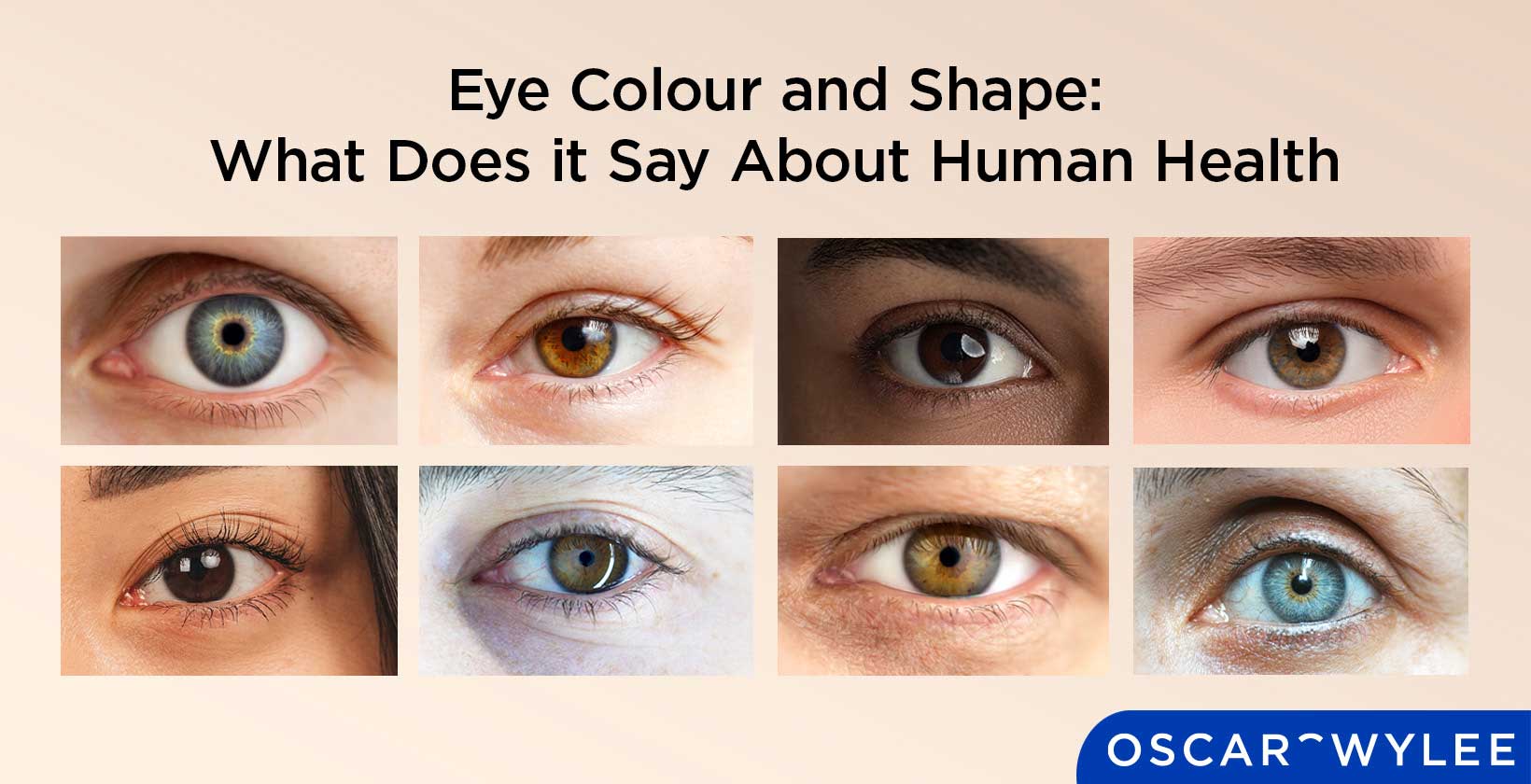
Eye colour and shape may be able to indicate some information about human health, such as the likelihood of certain health risks and conditions. This article will cover the common inquiry of what my eye colours mean and relevant information regarding different eye colour meanings. The different coloured eyes can include green, blue, light brown, amber, dark brown and hazel eyes. It is important to acknowledge that while eye colour may link to certain health conditions and risks, there is not enough research to definitively conclude eye colour as having a significant impact on human health.
What Might a Change in Eye Colour and Shape Signify For Your Health?
A change in eye colour and shape may signify an underlying condition or the aging process. A change in eye colour, also referred to as the iris, is considered rare. However, reasons a colour shift may occur can include changes to the iris, such as a virus or disease, iris freckles, iris nevi, Lisch nodules and Fuchs heterochromic iridocyclitis. Causes that are not related to the iris can include cataracts, arcus senilis, injury, corneal disease and inflammation. The iris may change in colour due to pseudoexfoliation syndrome, which is a disease that can result in a build-up of flaky, white material on your iris, lens, and other regions in your eye. This is an age-related condition that may increase the risk of developing glaucoma.
Pigment dispersion syndrome is a condition that can cause the iris to produce pigment, leading to atrophy of the iris, glaucoma and blurred vision. Iris freckles are characterized as small brown spots on the exterior of the iris, which are a common, harmless consequence of sun exposure. Iris nevi can also be described as brown spots on the eye, but are larger and/or darker. While they are usually harmless and grow slowly, it is recommended to have a doctor monitor them. Lisch nodules are small brown bumps and are typically related to a condition called neurofibromatosis. It is a nervous system disorder that results in tumours developing on nerve cells throughout the body. Fuchs heterochromic iridocyclitis can cause the iris to change colour from pigment loss due to inflammation of structures in the front of the eye.
Cataracts may cause the lens of the eye to turn cloudy and yellow. When cataracts develop, the iris is not affected; however, the appearance of a different eye colour can occur due to the cataract showing through the pupil. While cataracts may make the pupil look white or yellow, they do not change the iris pigment itself. Arcus senilis is when a white, blue or grey ring forms around the iris as you age. This occurs when fatty deposits known as lipids gather around the cornea’s outer edge, making it look like your eyes are turning blue. An injury such as a strike to the eye may result in a change in appearance as well as the shape of the eye.
Which Eye Colour is the Healthiest?
Brown eyes typically contain more melanin, which offers natural protection against UV radiation. While this may reduce the risk of certain conditions, it does not mean one eye colour is inherently 'healthier' than another. Long exposure to ultraviolet light can cause harmful effects on the eyes, as it is shorter than visible light; therefore, it carries more energy.
What do Brown Eyes Indicate in Health?
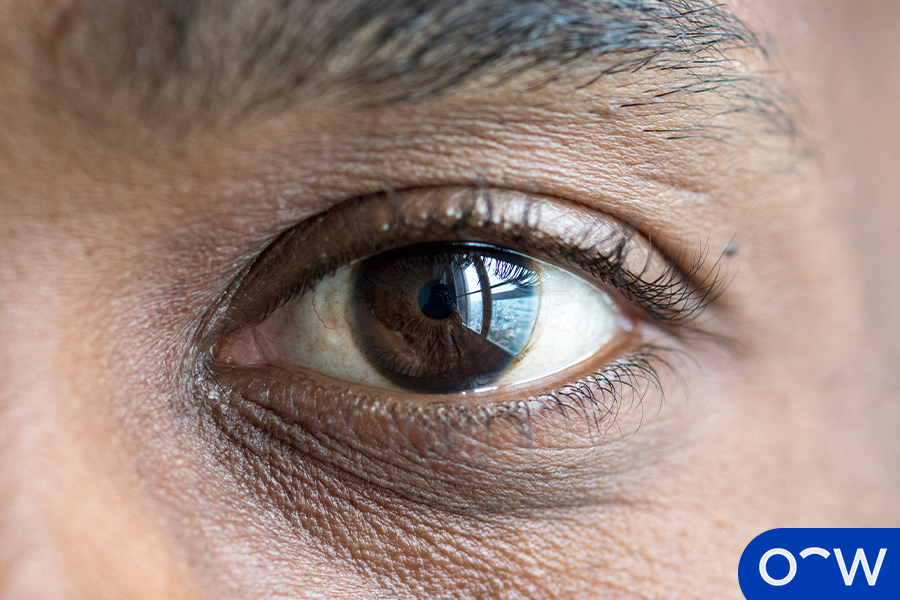
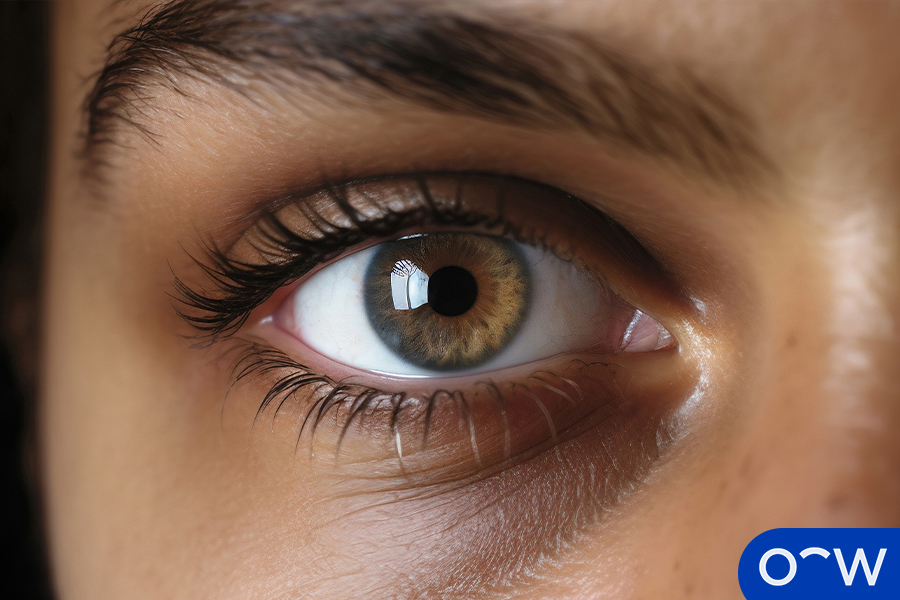
Brown eyes may indicate health benefits such as a lower risk of developing melanoma, macular degeneration and diabetic-related retinopathy. Brown-coloured eyes are believed to offer more protection due to containing darker pigment, which means a higher amount of melanin. However, individuals with brown eyes may be at increased risk of developing cataracts. It is important to note that despite darker-coloured eyes potentially having protection, the sun’s UV rays are still harmful to the eyes; therefore, wearing sunglasses is strongly recommended.
What are the Health Implications of Having Blue Eyes?
The health implications of having blue eyes may include sensitivity to light and a higher risk of melanoma in the eye, also known as ocular melanoma. More melanin in the iris may help to prevent UV radiation from damaging the back of the eye. Consequently, blue eyes may be more vulnerable due to containing less melanin. Those with blue, green, or grey-coloured irises are at a greater risk of developing intraocular melanoma, according to the Canadian Cancer Society. For individuals with blue eyes, it is recommended to use photochromic lenses to help protect eyes against UV rays.
What is the Health Prediction of Light-Coloured Eyes?
The health prediction of light-coloured eyes is a lower chance of developing vitiligo and an increased risk of light sensitivity. Vitiligo is an autoimmune disease that causes patches of the skin to lose colour. Light-coloured eyes may be more susceptible to light sensitivity as a result of having less melanin in the iris. In a study titled ‘Eye colour and the risk of skin cancer’ by Y. Li, WQ. Li, T. Li, A. A. Qureshi, and E. Cho published in 2022, light-coloured eyes were associated with a higher risk of squamous cell carcinoma and basal cell carcinoma, but not melanoma. It is important to acknowledge that there is still insufficient evidence of associations between eye colours and cancers.
What Health Risk is Associated with People With Dark Eyes?
The health risk associated with people with dark eyes may be the development of cataracts, according to a study titled ‘Iris colour and associated pathological ocular complications: a review of epidemiologic studies’ by H.P. Sun, Y. Lin, and C.W. Pan published in 2014. Dark eyes may be able to take in more light, heating the lens of the eye as a result.
What Does a Hazel Eye Colour Predict About Your Health?
Hazel eye colours may potentially predict the likelihood of having a higher risk of skin cancer. Light-coloured eyes can be linked with squamous cell carcinoma and basal cell carcinoma, which are two common forms of skin cancer, according to a study titled ‘Eye colour and the risk of skin cancer’ by Y. Li, WQ. Li, T. Li, A. A. Qureshi, and E. Cho published in 2022. These two types of skin cancers are mainly caused by overexposure to ultraviolet light. Hazel eye colours can be categorized as hazel green and hazel brown, as they can often be characterized as a mix of colours. Hazel eyes account for approximately 5% of the global population, making them one of the rarest eye colours, according to Helio Optometry Canada. Hazel-coloured eyes get their appearance due to the phenomenon of Rayleigh scattering, the same reason we get blue skies. Hazel eyes are a result of a combination of low to moderate amounts of melanin, combined with scattering of light within the iris, according to Zenni Optical Canada.
What Health Risks Come Along with Having Blue and Green Eyes?
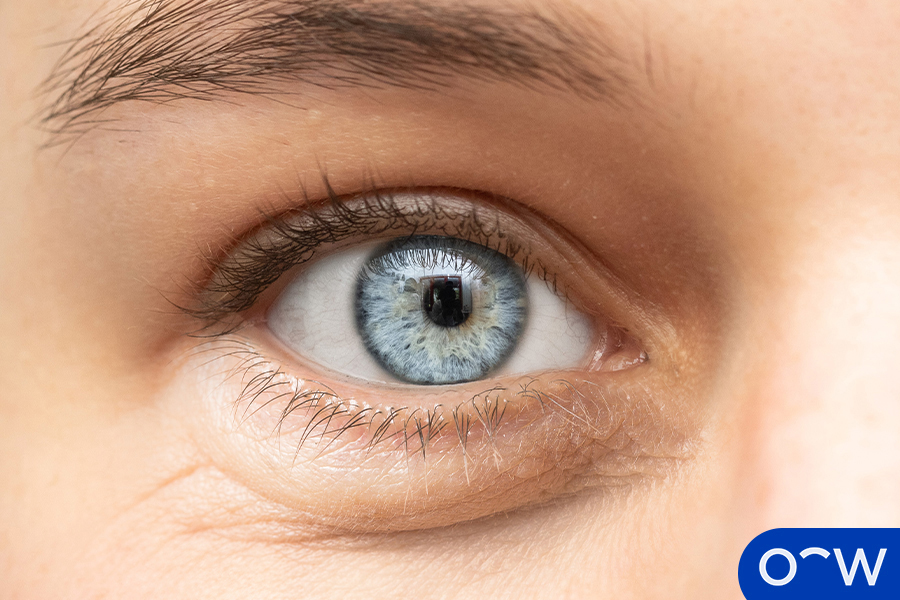
The health risks that come along with having blue and green eyes are the likelihood of developing skin cancer. Green eyes are the rarest eye colour, with only around 2% of people possessing this eye colour, according to Vancouver-based optometrist John Dreyer. Of the world’s population, 8-10% have blue eyes. In a study titled ‘Eye colour and the risk of skin cancer’ by Y. Li, WQ. Li, T. Li, A. A. Qureshi, and E. Cho published in 2022, light-coloured eyes were associated with a higher risk of squamous cell carcinoma and basal cell carcinoma, but not melanoma. The definitive conclusion that there are links between eye colours and cancers remains inconsistent.
Do People With Dark Green Eyes Have Health Problems?
Yes and no, people with green eyes may have a higher risk of health problems, such as certain eye cancers, as a consequence of possessing low melanin. Individuals with green-coloured eyes commonly have fair skin, which can pose a higher risk for skin cancers, according to the Canadian Cancer Society. However, like all other eye colours, dark green eyes do not inherently cause health problems. As a result of the different ways light can be reflected off the melanin, it can create the illusion of green and blue colours. While there are some studies that present links between eye colour and health conditions and health risks, they cannot be confirmed. You should always consult with a doctor or optometrist when you have any health concerns.
How Accurate is Predicting Health Problems Through Eye Colour and Shape?
It is not very accurate to predict health problems through eye colour and shape, as health problems can be triggered by a variety of causes and genetic factors or even other present conditions. Environment and diet may also largely contribute to certain health problems and still require specific diagnostic methods to confirm. Therefore, it is not advisable to rely on eye colour and shape to predict health problems.
Can Having Blood Sugar Problems be Detected Through Eye Colour?
No, having blood sugar problems cannot be detected through eye colour. Blood sugar, also referred to as blood glucose, is measured and evaluated through blood tests. Symptoms of mild low blood sugar (hypoglycemia) may include sweating, feeling tired, feeling jittery, and feeling hungry, according to My Health Alberta. Symptoms of high blood sugar (hyperglycemia) can include increased hunger or thirst, frequent need to urinate, blurred vision and headaches.
Can Glaucoma be Identified Through Eye Colour and Shape?
No, glaucoma cannot be identified through eye colour and shape. In order to identify glaucoma, a series of different testing methods must be conducted, such as an angle exam, dilated eye exam, measurement of corneal thickness, optic nerve imaging, eye pressure and a visual field test. Symptoms of glaucoma may include sudden, severe eye pain, red eyes, blurry or hazy vision, seeing halos around lights, severe headache, and nausea or vomiting, according to the University of Waterloo, Ontario. If you are experiencing any of these symptoms, it is important to seek help from your optometrist or doctor.
It is important to note that Oscar Wylee offers optometry services only; this article is for educational purposes only and is not a substitute for professional medical advice, diagnosis, or treatment.
Read Eye Colour and Shape: What Does it Say About Human Health in other Oscar Wylee regions and their languages.
Canada