


Glasses for Astigmatism: Correction, Necessity, Limitations and Benefits
Published on March 24h, 2026
 Canada

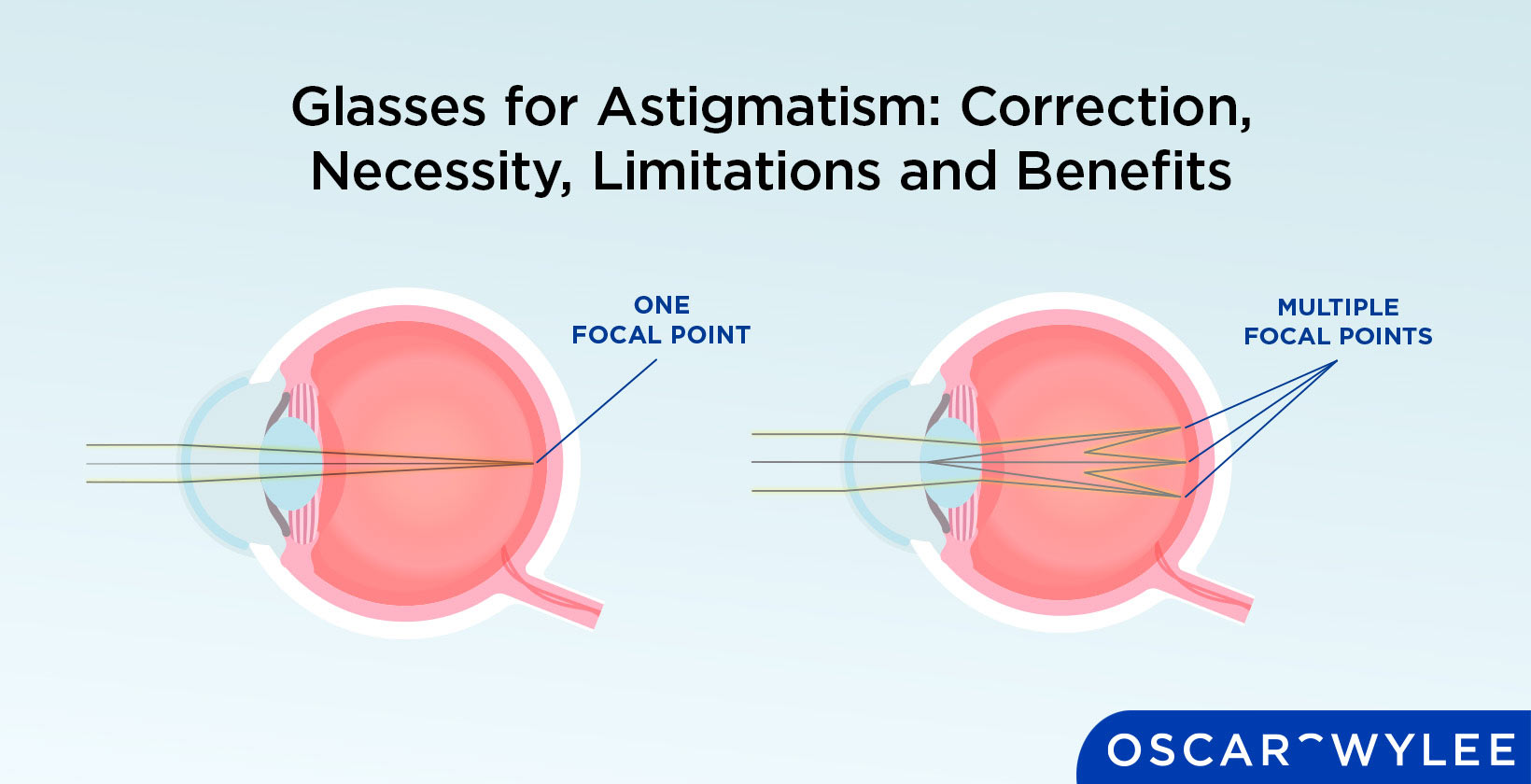
The glasses for astigmatism typically include prescription glasses or contact lenses that target vision correction. Eyes with astigmatism can be optically corrected to 6/6 (20/20 is the American notation) unless it is measured at a high degree, according to the Canadian Association of Optometrists. Astigmatism is defined as a refractive error that causes blurry vision both up close and far away. Astigmatism may be caused by genetics or family history, keratoconus, eye injury, eye surgery or eye diseases. It is important to note that astigmatism glasses are just regular glasses that are prescribed to correct your vision condition.
What is Astigmatism?
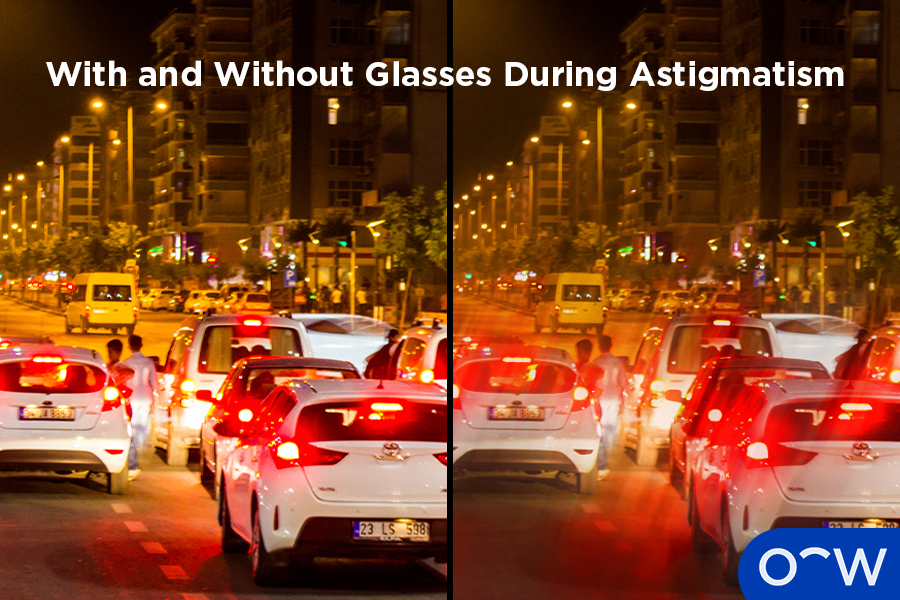
Astigmatism is an eye condition that causes blurry distance and near vision, which occurs when the lens or cornea of the eye is misshapen, affecting visual abilities. The symptoms of astigmatism include seeing glare or halos around lights at night, squinting to see clearly, headaches and eye fatigue. Prescription glasses can typically correct astigmatism unless it measures high on your prescription.
How do Glasses Correct Astigmatism?
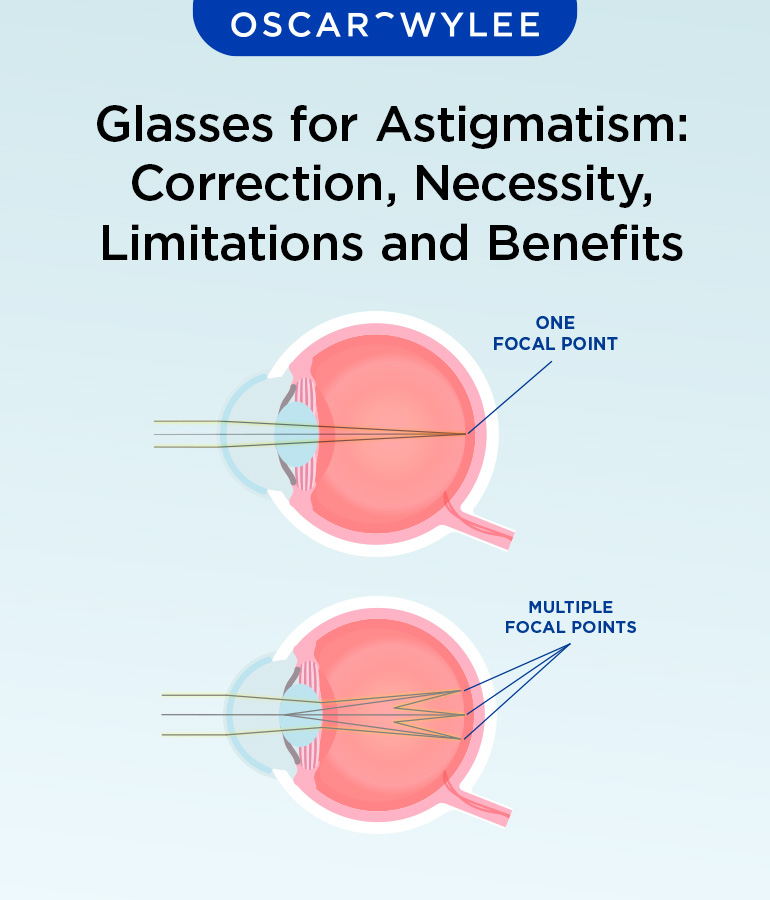
Glasses can correct astigmatism because they feature cylindrical lenses, which bend light into a line onto the retina instead of a spherical lens, which bends light into a point. A cylindrical lens counteracts uneven curves to bring light to a single focus point on the retina, according to the Ontario Association of Optometrists.
What Level of Astigmatism Requires Glasses?
The level of astigmatism that requires glasses may be 1.5 or more dioptres. A patient with a perfect eye will have 0 dioptres of astigmatism; however, most patients may have between 0.5 and 0.75 dioptres of astigmatism. Whether or not you require glasses will depend on the optometrist's findings, as some cases may not require correction.
Do You Need Glasses For Astigmatism?
Yes and no, you may only require glasses for astigmatism if your prescription displays higher than 0.5 dioptres of astigmatism and if your symptoms are disrupting your daily life. You may not need glasses if you have 0 or less than 0.5 dioptres. It is important to note that while prescription glasses can help correct your vision issues caused by astigmatism, they will not change the shape of your eye.
What Types of Lenses are Used For Astigmatism?
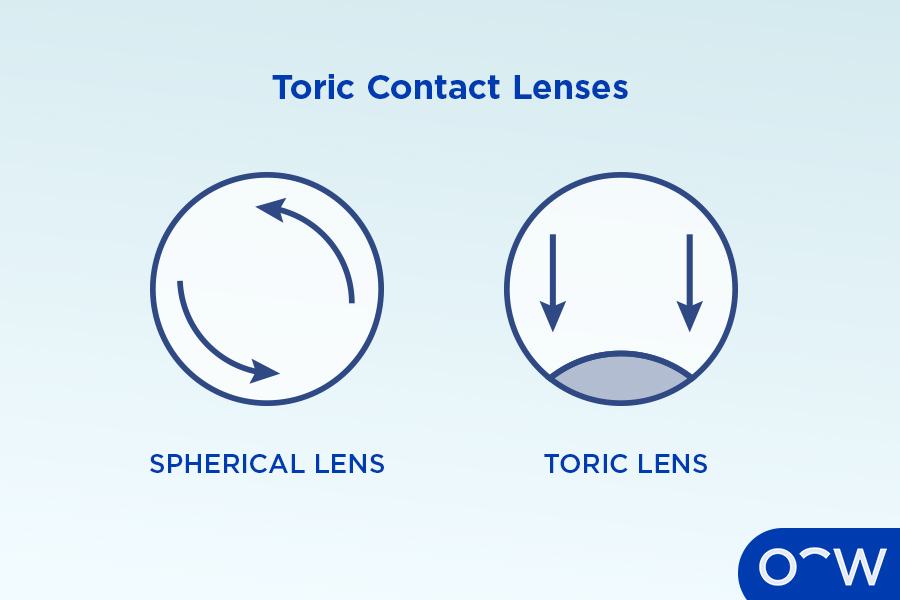
The type of lenses that are used for astigmatism may include toric contact lenses or cylindrical lenses in glasses. Toric contact lenses are a type of contact lens specifically designed to correct astigmatism and work by helping correct this refractive error. Types of toric contact lenses include soft toric lenses, Rigid Gas Permeable (RGP) toric lenses, disposable toric lenses and extended-wear toric lenses. Cylindrical lenses in prescription glasses help by compensating for the uneven curve in a person's lens (lenticular astigmatism) or cornea (corneal astigmatism).
Are there Special Glasses For Astigmatism?
Yes, there are special glasses for astigmatism as they have cylindrical lenses. A patient may only require special glasses for astigmatism if their prescription has 0.5 dioptres or more of astigmatism, or if their symptoms are disrupting their daily life.
How do I Know if I Need Glasses For Astigmatism?
You may know if you need glasses for astigmatism if you experience symptoms such as blurry vision, squinting to see clearly, glare or halos around lights at night, headaches, and eye fatigue. You may also find out if you need glasses for astigmatism by getting an eye exam and maintaining regular eye exams at least once every 2 years, unless advised otherwise by your optometrist. The ways to know if you may need glasses for astigmatism are listed below.
- Blurry vision: Blurry vision can be a sign of astigmatism, as it can result from a misshapen cornea or lens that does not bend light correctly.
- Squinting to See Clearly: Squinting to see clearly can indicate you may have astigmatism, as the eyes are trying to focus more to see better.
- Seeing Glare or Halos Around Lights at Night: Seeing glare or halos around lights at night can be a telltale sign of astigmatism, as the misshapen cornea or lens disrupts the eye's ability to perceive light, causing visible halos and glare.
- Headaches: Headaches can be a sign of astigmatism, as this condition may cause eye strain and eye fatigue, leading to headaches.
- Eye Fatigue: Eye fatigue can indicate you may have astigmatism, as the eyes squint more to see clearly, leading to overexertion. This can make the eyes more fatigued, leading to eye strain and pain.
Can Toric Lenses Help Astigmatism?
Yes, toric lenses can help with astigmatism, as they work the same way as other contact lenses and prescription glasses: by bending light entering the eye so it hits the retina properly. The retina is the light-sensitive layer at the back of the eye. When light hits the eye, it is refracted onto the retina, which processes it into electrical signals and sends them to the brain. It is important to note that Oscar Wylee does not sell toric contact lenses.
Can Glasses Cure Astigmatism Permanently?
Yes and no, glasses can cure astigmatism permanently as they can correct your vision; however, glasses cannot change the shape of your lens or cornea. Therefore, while glasses can help provide clear vision, you will need to continue wearing them to correct visual symptoms caused by astigmatism.
Should I Wear My Glasses All the Time for Astigmatism?
Yes, you should wear glasses all the time for astigmatism, as they can correct your vision while wearing them. Those with astigmatism will need glasses full-time to maintain visual clarity at all distances; however, this will depend on how severe your condition is, ranging from mild cases to those in which astigmatism occurs only in one eye. For many eye conditions, the need to wear glasses all the time will depend on what the optometrist finds during your eye exams.
What Happens if I Don't Wear Glasses For Astigmatism?
If you do not wear glasses for astigmatism, you may experience vision problems such as blurry vision, eye strain, and headaches, depending on the nature of your condition. Your optometrist will advise you on the treatment plan that is suitable for your vision requirements.
Why do New Glasses For Astigmatism Feel Weird or Cause Dizziness?
New glasses for astigmatism may feel strange or cause dizziness as you may take time to adjust or have sensitive eyes. It is typically recommended to wear your new glasses for astigmatism for two weeks to get used to the change in your vision. If you have any concerns, you can speak with your optometrist to get more personalised advice.
Do I Need Progressive Lenses for Astigmatism?
No, you may not need progressive lenses for astigmatism unless you have more than one vision condition. Progressive lenses are lenses designed with magnification for near, middle and far distance vision all in one lens. Progressive lenses may be a suitable option for individuals who require more than one pair of glasses to see from a farther distance and a pair for reading.
How Does Astigmatism Affect My Glasses Prescription?
Astigmatism may affect your glasses prescription by adding a measurement to the cylinder section. The cylinder on your prescription refers to your degree of astigmatism. Astigmatism is measured in dioptres, with most people having 0.5 to 0.75 dioptres.
Are Glasses For Astigmatism More Expensive Than Regular Glasses?
Glasses for astigmatism may be more expensive than regular glasses, particularly if your astigmatism is high due to the materials and the equipment used in the manufacturing process. Quality glasses for astigmatism and other conditions that may require a stronger prescription are assured of comfort, durability and a long life span. This may also explain why glasses for astigmatism may be slightly more expensive.
What are the Best Eyeglass Lenses For Correcting Astigmatism?
The best eyeglass lenses for correcting astigmatism are cylindrical lenses. Cylindrical lenses are created to compensate for the abnormal curves of your lens or cornea. Cylindrical lenses may be best for correcting astigmatism as they can correctly focus light entering the eye onto the retina.
Can Reading Glasses Help With Astigmatism?
Yes, prescription reading glasses may include astigmatism as well as your reading prescription. Unlike over-the-counter reading glasses. As astigmatism can affect both distance and close vision, your optometrist may issue a prescription that will address both. Ask your optometrist if you require astigmatism in your reading glasses.
What Type of Glasses Should I Wear For Night Driving with Astigmatism?
The type of glasses that you should wear for driving at night with astigmatism should be the glasses that are prescribed by your optometrist. When you get your eyes examined by an optometrist, they can identify the extent of your condition. Your optometrist can determine prescription glasses that specifically cater to your needs, helping ensure safe nighttime driving for patients with astigmatism. At Oscar Wylee, we recommend including our anti-reflective coating on your night driving glasses to help to get rid of halos or glare around light sources at night time.
How Long Does it Take to Adjust to Glasses for Astigmatism?
It may take up to two weeks to adjust to glasses for astigmatism, especially if you are new to glasses. Significant changes to your vision mean the brain will take time to adapt, which is a process called neural adaptation. You can try starting your day by wearing your glasses and continue wearing them for as long as you can manage. You can also take breaks in between to prevent eye strain and headaches.
Can Sunglasses Correct Astigmatism?
No, sunglasses cannot correct astigmatism unless they also have a prescription for the lenses. While regular sunglasses won't correct astigmatism, sunglasses with your astigmatism prescription can, and they can include other lens coatings to enhance comfort. Prescription sunglasses that also feature polarisation to help reduce light glare during sunny weather, or anti-reflective coating, help reduce the amount of light that reflects off lenses. Anti-reflective coating is a thin layer applied to the lens that removes reflections that you may usually see from your glasses.
Do I Need Glasses for 0.75 Astigmatism?
No, not always. You may not need glasses for 0.75 dioptres of astigmatism, as 0.5 to 0.75 is considered the normal range for most people. However, if your astigmatism is causing symptoms that affect your daily life, then ask your optometrist if astigmatism glasses will be helpful.
Can I have 20/20 vision with Astigmatism?
Yes, it is possible to have 20/20 vision with astigmatism, as 6/6 simply means normal vision at a distance of 6 metres. There can be cases of patients with mild astigmatism who still have 20/20 vision; however, this may affect the sharp and detailed appearance of the 20/20 line. In Canada, we are more familiar with the phrase 20/20 vision; however, since we often use the metric system to describe distance, 20/20 vision isn't always relevant, as this measurement is in feet. Therefore, 20 feet converted into the metric system is 6 metres, and that's how we get 6/6 vision.
Read Glasses for Astigmatism in other Oscar Wylee regions and their languages.
Canada