


21 Warning Signs and Symptoms of Eye Problems
Published on August 26th, 2026
 Canada

There are many warning signs and symptoms of eye problems that may include red eyes, crossed eyes, trouble focusing on close or distant
objects, cloudy vision, difficulty adjusting to darkness and more. Warning signs and symptoms of eye diseases and vision problems may
present different symptoms ranging from mild to severe, which are often
similar across different eye conditions. Therefore, it is important not
only to have your eyes regularly tested but also to see an optometrist
right away when you notice changes in your vision. Early detection can
help the optometrist determine the most suitable treatment in a timely
manner. Continue reading to learn more about the warning signs of
unhealthy eyes and potential eye conditions.
It is important to note that Oscar Wylee offers optometry services
only; this article is for educational purposes only and is not a
substitute for professional medical advice, diagnosis, or treatment.
The 21 warning signs and symptoms of eye problems are all common across
many different eye conditions and eye diseases. It is important to note
that these many signs and symptoms can differ between individuals, with
some occurring and others not developing at all. The 21 signs and symptoms
of eye problems are listed below.
- Red Eyes: Red eyes are a common sign or symptom of eye problems and normally occur when the eyes are either infected, inflamed, irritated or injured.
- Crossed Eyes: Crossed eyes in babies may be a sign of strabismus, and depending on the direction the eyes are turned, it can determine which form of strabismus.
- Trouble Focusing on Close or Distant Objects: Trouble focusing on close or distant objects may be a sign of refractive errors such as nearsightedness and farsightedness.
- Cloudy Vision: Cloudy vision may be a sign or symptom of serious eye conditions such as cataracts, age-related macular degeneration, Fuchs’ dystrophy, diabetic retinopathy and floaters.
- Difficulty Adjusting to Darkness: Difficulty adjusting to darkness may be a sign or symptom of myopia, glaucoma, cataracts, vitamin A deficiency and retinitis pigmentosa.
- Double Vision: Double vision may be a sign of cataracts, astigmatism, incorrectly fitting glasses, misaligned eyes, cranial nerve issues, strokes and brain aneurysms.
- Central Dark Spot in Eyesight: A central dark spot in eyesight may be referred to as a scotoma, which can be associated with serious eye conditions such as glaucoma and cataracts or can be a sign of retinal tear or detachment.
- Loss of Peripheral Vision: Loss of peripheral vision may be an indication of eye conditions such as detached retina, glaucoma or cataracts.
- Glare or Halos (Coloured Circles Around Lights): Glare or halos (coloured circles around lights) may occur as a sign of an abnormally shaped cornea, cloudy lens or corneal thinning or swelling.
- Excessive Tearing: Excessive tearing may be a sign of common eye conditions such as an injury, infection or irritants.
- Swelling: Swelling may arise due to inflammation from infections, injuries or fluid retention.
- Straight Lines Appear Wavy: Straight lines appearing wavy, also known as metamorphopsia, may be a symptom of many macular diseases and other conditions.
- Itching, Stinging, Dry Eyes: Itching, stinging and dry eyes can be an indication of an allergy or issue with tear production.
- Headache: A headache can be associated with many different eye problems, such as eye strain and uncorrected nearsightedness and farsightedness.
- Change in Iris Color: A change in iris colour may be caused by different conditions such as iris nevi, iris freckles, Lisch nodules and Fuchs’ heterochromic iridocyclitis.
- Veil Obstructing Vision: A veil obstructing vision can be described as seeing a curtain-like image over your vision.
- Flashes or Floaters: Flashes or floaters may appear due to possible issues with the vitreous gel of the eye.
- Sudden Loss of Vision: Sudden loss of vision can occur as a result of serious eye conditions that cause clouding of the eye and retinal and nerve abnormalities.
- Inability to Close an Eyelid: The inability to close an eyelid may be a sign of a condition referred to as lagophthalmos and can stem from eyelid and nerve damage.
- Light Sensitivity: Light sensitivity is a common symptom of many different eye problems that can impair the eye’s ability to process light.
- Hazy or Blurred Vision: Hazy or blurred vision can commonly occur as a result of various eye problems, with refractive errors being one of the most common causes.
1. Red Eyes
Red eyes are a common symptom that can occur when experiencing many different eye conditions. Red eyes can likely develop as a sign of irritation, inflammation or injury due to the small blood vessels that increase in size, causing them to appear red on the surface of the eye. Redness is considered a typical response to allergens, dirt or debris entering the eye and may be alleviated through the use of eye drops that specifically target the cause, such as antihistamines for allergies. However, it is important that you seek medical attention as your first option before starting any treatments. Red eyes may likely last until the underlying condition is addressed and are considered a very common sign of mild to severe eye conditions.
2. Crossed Eyes
Crossed eyes can be a sign of an eye problem known as strabismus, and depending on the direction the eyes are turned, it can indicate which form of strabismus. Crossed eyes in babies can be a common sign of misaligned eyes, which have four different types, including esotropia, exotropia, hypertropia and hypotropia. However, this can go away as they turn 4-6 months. If it persists past 4-6 months old, it could be a case of crossed eyes. Crossed eyes may last from birth to around 4 months, which may resolve; however, it is possible for crossed eyes to remain past this age. In this case, further examination by an eye care professional should be sought.
3. Trouble Focusing on Close or Distant Objects
Trouble focusing on close or distant objects can be a sign of refractive errors such as shortsightedness (myopia), farsightedness (hyperopia) or astigmatism. Trouble focusing on objects in the distance may indicate there is an issue with how your eye focuses light onto the retina, and instead, light is focused in front of the retina, causing objects in the distance to appear blurry. As a result, you may only have clear vision when looking at objects up close. Experiencing trouble with focusing on objects up close may be an issue of farsightedness (hyperopia). This and astigmatism may occur due to the abnormal length of the eye from the front to the back or the unusual curvature of the cornea, according to the Ontario Association of Optometrists (OAO).
4. Cloudy Vision
Cloudy vision can be a potential symptom of serious eye conditions such as cataracts, age-related macular degeneration, Fuchs’ dystrophy, floaters and diabetic retinopathy. Cloudy vision may be a result of the protein in the lens of the eye deteriorating and clumping together due to cataracts. Cloudy vision can also develop as a symptom of Fuchs' dystrophy as a result of corneal swelling caused by the loss of endothelial cells. The endothelial cells are responsible for maintaining a healthy amount of fluid in the cornea. Floaters may also lead to cloudy vision due to the larger-sized floaters moving across the eye. Diabetic retinopathy may be associated with cloudy vision as a consequence of swollen retinal tissue. This can occur when diabetes is not treated or managed. It is important to see an optometrist promptly if you have cloudy vision, as this can be a sign of a more serious condition.
5. Difficulty Adjusting to Darkness
Difficulty adjusting to darkness, also known as night blindness, may be a symptom of eye conditions such as cataracts, myopia, glaucoma and vitamin A deficiency. Experiencing difficulty adjusting to darkness can develop due to factors such as changes in how the eyes process light, which can be a consequence of cataracts. Night blindness may also stem from a build-up of pressure in the eye, which is what can lead to glaucoma. Experiencing difficulty seeing in the dark could also indicate a vitamin A deficiency, as this vitamin assists with producing certain pigments for a fully functioning retina. Difficulty adjusting to darkness may be corrected with prescription glasses, an updated prescription, or surgery if the condition does not improve with glasses.
6. Double Vision
Double vision, also known as diplopia, may be a symptom of eye conditions such as cataracts, astigmatism, incorrectly fitting glasses, misaligned eyes, cranial nerve issues, strokes and brain aneurysms. Double vision can indicate issues and diseases in the eyes as well as the body, and is defined as seeing two of the same image. The different types of double vision are monocular and binocular, horizontal and vertical. Monocular diplopia develops when double vision occurs in just one eye, with the second image appearing as a shadow. Binocular diplopia refers to double vision that affects both eyes and may alleviate when one eye is covered. When binocular diplopia occurs, double vision may appear horizontally or vertically; however, these forms may arise depending on the cause of double vision. Treatment or management of double vision will depend on how severe the condition is, but could involve hindering vision in one eye to mitigate symptoms or using an eye patch. If you experience any sudden double vision, it is recommended that you seek urgent medical attention.
7. Central Dark Spot in Eyesight
A central dark spot in eyesight may be a sign or symptom of serious eye conditions such as retinal tear or detachment, scotoma, and other conditions. Seeing a central dark spot as a result of a retinal tear may be associated with age-related ocular problems, eye injuries, nearsightedness and eye surgery. It is important to note that a retinal tear or detachment is an eye emergency; therefore, urgent medical attention should be sought right away. The development of a dark spot in your central vision may be the visual field abnormality called a scotoma, according to the Government of British Columbia Medical Standards Guidelines. A scotoma can be characterized as a blind spot and usually occurs in one eye but can also occur in both eyes. These dark spots can develop in an area of the retina where the nerves are not functioning and fail to transmit signals to the brain, according to the Canadian National Institute for the Blind (CNIB). The types of scotomas differ according to where the blind spot occurs and can stem from issues in the eye, such as glaucoma and age-related macular degeneration.
8. Loss of Peripheral Vision
Loss of peripheral vision may occur as a consequence of different ocular diseases such as a detached retina, glaucoma, cataracts and retinitis pigmentosa. Peripheral vision refers to your side vision or vision that is out of your direct line of sight and allows you to see all around you without the need to turn your head. Losing peripheral vision should be addressed with a medical professional as soon as possible, as it may be an indication of a serious eye condition. Impaired peripheral vision can occur as a consequence of different conditions, which may include when cataracts develop, when too much ocular pressure builds up or due to retinal damage. The duration of this symptom may depend on which condition is causing loss of peripheral vision and the breadth of damage caused.
9. Glare or Halos (Coloured Circles Around Lights)
Glare or halos (coloured circles around lights) may indicate an issue with certain regions of the eye. Glare or halos may signify different eye problems such as an abnormally shaped cornea, cataracts, keratoconus, Fuchs' dystrophy, closed-angle glaucoma, photokeratitis and other conditions. The appearance of glare or halos may be noticeable during the night around headlights and streetlights and can be accompanied by other symptoms. Some possible occurrences that may lead to the development of glare or halos may include a cloudy lens or an abnormally shaped cornea bending light in an unusual way. Other reasons may include corneal thinning or swelling and refractive errors. Many of these circumstances may stem from eye conditions that will require prompt medical attention. Therefore, it is important to see an optometrist or your local doctor when experiencing the symptoms of glare or halos. Managing glare or halos will depend on the underlying condition, which may be determined based on additional symptoms that occur.
10. Excessive Tearing
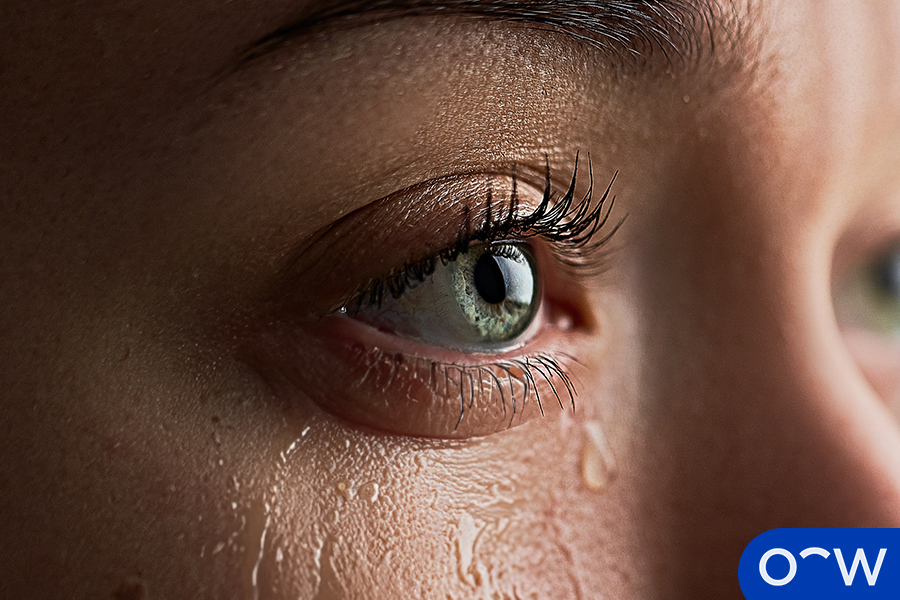
Excessive tearing may develop when the eyes are irritated, infected or injured. Excessive tearing typically occurs in order to eliminate what may be causing the irritation, infection or injury. The most common eye problems associated with excessive tearing include conjunctivitis, blepharitis, dry eye, irritant exposure and corneal damage. Increased tear production can typically take a few days to alleviate, depending on the condition and may likely occur along with other symptoms.
11. Swelling
Swelling may be a common sign or symptom of eye problems such as an injury, allergies or fluid retention. Swelling can occur in and around the eye and is part of the body’s natural response to allergens, infections and trauma to the eye. In serious cases, damage to blood vessels and blockage in the eye’s internal drainage system may also lead to swelling in the eye. Swelling can induce discomfort, pain, the sensation of something in the eye, itching and irritation, according to the Canadian Cancer Society. Eye swelling can take between 24 and 48 hours to go down and will require prescribed medication according to the underlying condition.
12. Straight Lines Appear Wavy
Straight lines appearing wavy may be a possible symptom known as metamorphopsia, which is a vision dysfunction often associated with age-related macular degeneration (AMD), retinal hemorrhage, and other conditions. Straight lines appearing wavy can ensue due to issues in the macula or the brain, according to the Canadian Association of Optometrists. The macula controls our central vision and is located in the back region of the retina. This symptom may be noticed by patients when looking at objects such as buildings or doors and will likely require complex treatment from an ophthalmologist depending on the type of condition. Metamorphopsia is a common symptom that can occur from different macular diseases, according to the Canadian National Institute for Blindness (CNIB). For patients with age-related macular degeneration, the most common occurrence was found to be a distortion of words on computer displays, newspapers and books, according to Kunyong Xu, Vasudha Gupta, Steven Bae, and Sanjay Sharma in a 2018 study titled ‘Metamorphopsia and vision-related quality of life among patients with age-related macular degeneration’ published in the Canadian Journal of Ophthalmology. Additionally, patients with wet AMD reported higher rates of metamorphopsia than those with dry AMD.
13. Itching, Stinging, Dry Eyes
Itching, stinging and dry eyes may be common signs and symptoms of eye problems such as allergies or an issue with tear production. Itching, stinging and dry eyes can typically occur when allergens or irritants get in the eye or from decreased tear production. These symptoms may be alleviated by antihistamine eye drops or artificial tear eye drops prescribed by an optometrist. It may also be helpful to see an optometrist to ensure there are no underlying conditions. The duration of these symptoms can vary between individuals and can depend on which condition you have.
14. Headache
A headache may be a sign of eyestrain, eye injuries, dry eye, uncorrected farsightedness, nearsightedness and infections. The different types of headaches can include tension headaches, cluster headaches and migraines. Eye strain may be the most common cause of headaches due to overexertion of your eye muscles when focusing on certain tasks that involve computers, reading, dim-light conditions and bright-light conditions. Treatment may depend on the factors causing the headache. It may be helpful to take regular breaks during tasks to rest your eyes and prevent the chance of developing eyestrain and headaches. It is also recommended to see your optometrist for assistance with headaches associated with vision, as they can check whether your prescription may need updating or if you require prescription glasses.
15. Change in Iris Colour
A change in iris colour may be associated with complex eye diseases, due to genetics and certain medications. Changes to your iris colour can either be harmless or require treatment and can include many causes such as iris nevi, iris freckles, Lisch nodules and Fuchs’ heterochromic iridocyclitis. The causes that can lead to a change in your iris colour can differ depending on which eye condition you have and may likely experience other symptoms as well. It is best to see your optometrist, who can then refer you to an ophthalmologist for further examination and suitable treatment.
16. Veil Obstructing Vision
Veil obstructing vision may be an indication of serious eye conditions. Veil obstructing vision is defined as seeing what resembles a curtain over your eyes, and it requires urgent medical attention. Seeing a veil in your eyesight can be linked to the onset of a stroke, retinal infection, blocked blood vessels in the eye or a detached and torn retina. A symptom such as this will require further examination and a professional diagnosis. The prevalence, however, may be common in patients who have pre-existing eye conditions.
17. Flashes or Floaters
Flashes or floaters may be a sign of changes to the vitreous gel of the eye due to age-related changes or retinal detachment. Floaters can be described as greyish or dark squiggly lines or spots that float across the eye, and flashes are flashes of light that appear in your vision. They can develop when segments of the vitreous gel clump together, creating the appearance of shadows, according to the Canadian National Institute for the Blind (CNIB). Flashes or floaters may not always be a cause for concern; however, it is still advised to have your eyes examined by an eye care professional to ensure there are no problems with any structures of the eye. If there are no underlying conditions found during the examination, the appearance of floaters or flashes may gradually reduce and become less noticeable.
18. Sudden Loss of Vision
Sudden loss of vision can be a sign of many different eye problems, with some being acute glaucoma, trauma to the eye or retinal artery occlusion. Sudden loss of vision may occur when issues with the brain, nerves and eyes develop and is considered an eye emergency; therefore, urgent medical care should be sought. Loss of vision is considered sudden when it takes place within seconds, minutes or days, according to the McGill Journal of Medicine, Canada. Diagnosing sudden loss of vision may involve a neurological assessment and eye examination. Treatment will depend on the cause, which may involve surgery, eye drops or medication.
19. Inability to Close an Eyelid
The inability to close an eyelid may be a sign of an eye condition known as lagophthalmos, which can be caused mainly by nerve damage or eyelid damage from facial nerve paralysis, eye surgery or eye trauma. The different types of lagophthalmos are nocturnal lagophthalmos, paralytic lagophthalmos and mechanical lagophthalmos. Nocturnal lagophthalmos occurs when the eyes cannot close while sleeping; paralytic lagophthalmos occurs as a result of facial nerve paralysis; and mechanical lagophthalmos develops when the nerves in the muscle do not operate correctly. Management will involve getting treatment for the underlying cause, which could be nonsurgical methods such as eye drops, moisturizing ointment or tape to keep eyelids closed. Surgical processes could include partially or completely sewing the eyelid shut or implanting weights in the upper eyelids. Other surgeries may include eyelid surgeries, lower eyelid surgeries and facial surgeries. It may also be helpful to focus on maintaining moisture in the eyes, as the lack of blinking can leave the eyes dry, leading to irritation and other potential complications.
20. Light Sensitivity
Light sensitivity can arise as a common symptom of several different eye problems that can leave the eyes extra sensitive. Light sensitivity may be induced by common conditions such as corneal abrasions, dry eye, conjunctivitis and uveitis. The eyes can develop sensitivity when certain eye conditions impair the eye’s ability to process light. This symptom may last from weeks to months, depending on the cause and may be managed through limiting screen time, wearing sunglasses during bright conditions and treating the underlying condition.
21. Hazy or Blurred Vision
Hazy or blurred vision can develop during multiple types of eye problems, such as refractive errors. Hazy or blurred vision can be characterized as sight that is unclear, out of focus and lacks sharpness. Blurry or hazy vision may be treated when the underlying condition is addressed by an eye health professional. Refractive errors such as nearsightedness and farsightedness may likely require correction through prescription glasses. Blurry or hazy vision from dry eyes may only require prescribed artificial tear eye drops to restore or increase moisture. Blurry or hazy vision is a very common symptom; however, it cannot be said how long it lasts, as it depends on which condition you have.

Why is it Important to Know the Warning Signs of Eye Problems?
It is important to know the warning signs of eye problems, as it can help patients know when to see an optometrist or medical professional. It is helpful to familiarise yourself with different eye disease symptoms to also know what to report to your optometrist during your appointment. This can assist the optometrist in their diagnosis of your condition. Different eye diseases often have similar symptoms; therefore, it is important to be mindful of any changes to your eyes and vision. This will help ensure early detection of any eye problems before further complications can develop.
What is the Most Severe Symptom of Eye Problems?
The most severe symptoms of eye problems are sudden changes to your vision and include severe eye pain, loss of vision in one eye and double vision. However, many other symptoms may be considered severe when they occur in an unexpected manner. If you have any of these symptoms or notice sudden changes in vision, it is important to see a health care professional as soon as possible.
What is a Less Severe Symptom of an Eye Problem?
A less severe symptom of an eye problem may be itchiness and watery eyes, as it may likely be a consequence of allergies or an eye infection. Less severe symptoms such as itchiness and watery eyes can easily be relieved and treated with antihistamine tablets, eye drops or artificial tear eye drops. However, it is still advisable to see an optometrist to get a professional diagnosis of symptoms and to rule out serious eye problems.
What Eye Problem Signs Need Immediate Attention?
Eye problem signs that need immediate attention may include flashes of light, floaters, sudden hazy or blurred vision, eye injury or pain and red eye. These signs can occur unexpectedly; therefore, even if you have already had a recent eye exam done, it is paramount that you seek assistance from an optometrist or your local doctor.
What is the Most Painful Eye Problem Symptom?
The most painful eye problem symptom may be severe pain in the eye caused by a foreign body scratching or penetrating the eye. The cornea, the clear window at the front of the eye, is considered to be very receptive to pain. Therefore, any slight injuries to the cornea of the eye can trigger significant pain. Many other eye problems can also bring on symptoms of pain, such as infections, glaucoma and other conditions.
What are the Most Common Eye Problems?
The most common eye problems are refractive errors, age-related macular degeneration (AMD), diabetic retinopathy, cataracts, glaucoma and strabismus. These eye problems can affect a range of age groups, from children to senior patients. The most common eye problems are listed below.
- Refractive Errors: Refractive errors are a common eye problem that affects vision and occur when the shape of your eyes hinders light from properly focusing on your retina. The different types of refractive errors include myopia (nearsightedness), hyperopia (farsightedness) and astigmatism. This form of eye problem can affect patients from children to seniors.
- Age-Related Macular Degeneration: Age-related macular degeneration is characterized as a disease that occurs in the macula, affecting your central vision. The two types of age-related macular degeneration are dry, which is the most common form and takes place when the macula thins out as you get older. The other type is wet (AMD), which develops when the macula is damaged by abnormally grown blood vessels in the back of the eye. It is considered less common and can lead to faster loss of vision.
- Diabetic Retinopathy: Diabetic retinopathy is an eye condition that can result in vision loss or blindness in patients with diabetes. Diabetes can lead to diabetic retinopathy when the blood vessels in the retina swell up and bleed.
- Cataracts: Cataracts occur when the lens of the eye becomes cloudy as a result of proteins in the eye breaking down and sticking together, which can hinder vision. This normally occurs in older patients as there are natural changes to the lens due to increased age and exposure to ultraviolet light.
- Glaucoma: Glaucoma is another common eye problem that can lead to vision loss. Glaucoma may be caused by increased ocular pressure, genetics, diabetes, increased age, migraines, high blood pressure and many other conditions. The types of glaucoma include open-angle and closed-angle, and within these types are different forms, including primary glaucomas and secondary glaucomas. Acute angle-closure glaucoma is a medical emergency that requires urgent medical attention.
- Strabismus: Strabismus, also known as misaligned eyes, is an eye condition where the eyes are not aligned properly and cannot simultaneously look at the same place. It normally occurs in children but also develops in adults. The different types of strabismus are inward (esotropia), outward (exotropia), up (hypertropia) and down (hypotropia). It can arise as a result of problems in the eye muscles.
How are Eye Problem Symptoms Diagnosed?
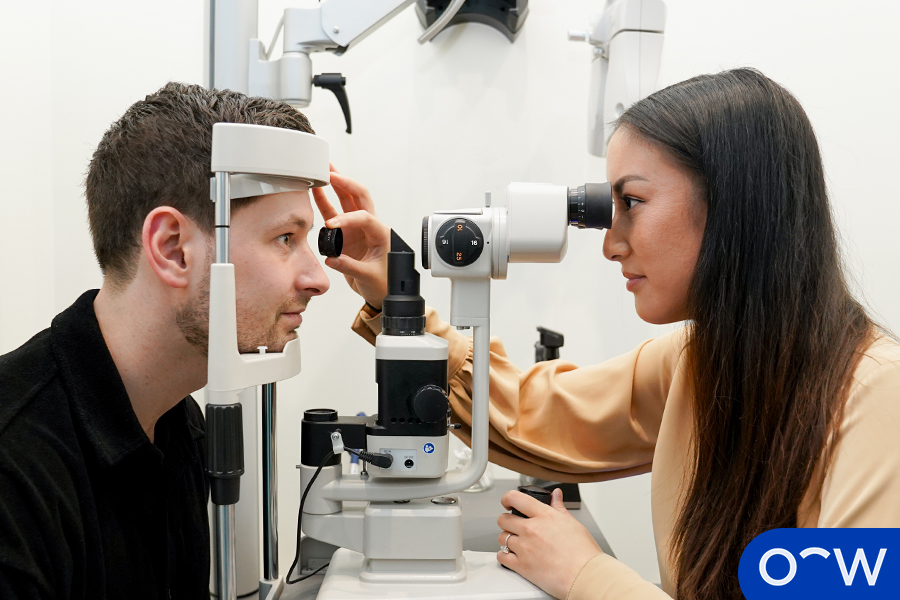
Eye problem symptoms are diagnosed through a comprehensive eye exam. Diagnosing eye problems usually involves a series of different tests to assess the different regions of the eye and typically takes 20-30 minutes. The optometrist may ask you about your medical history and your family’s medical history to determine if you are at risk of certain eye conditions. Then they may proceed with several tests to evaluate the exterior of the eye, such as the cornea, eyelids, iris and conjunctiva. They will then go on to look more closely at the structures deeper in the eye, which include the retina, macula and optic nerve.
What Eye Symptoms Indicate Blindness?
Eye symptoms that indicate blindness may be different depending on which eye condition you have. Symptoms of blindness as a result of cataracts, for example, may include a cloudy lens and blurry vision, according to the Canadian Association of Optometrists. If blindness is caused by diabetic retinopathy, poor night vision, blurred or distorted vision can occur as symptoms. However, every patient may have a different experience; therefore, it is important to get a diagnosis from an eye care professional.
How to Prevent Eye Diseases?
Preventing eye diseases can involve different steps which may be able to increase eye and overall bodily health, which may reduce the risk of developing eye diseases. It is important to have your eyes regularly checked through a comprehensive eye exam to maintain eye health, consume sugary foods in moderation, eat a healthy and balanced diet and familiarise yourself with your family’s eye health history. It may also be helpful to maintain a healthy weight, always wear sunglasses when appropriate, quit smoking, use protective eyewear, and rest your eyes from long periods of device use. Finally, clean your hands and contact lenses correctly.
How Can Glasses Prevent Eyesight Issues?
Glasses can prevent eyesight issues such as shortsightedness, farsightedness and astigmatism. Glasses can help with clear vision by bending the light correctly onto the retina, which is the tissue in the back region of the eye that is light-sensitive. While glasses can correct these different errors when wearing them, it does not alter the eyes.
Read 21 Warning Signs and Symptoms of Eye Problems in other Oscar Wylee regions and their languages.
Canada