


Eye Discharge: Definition, Causes, Symptoms, Treatments and Prevention
Published on September 4th, 2026
 Canada
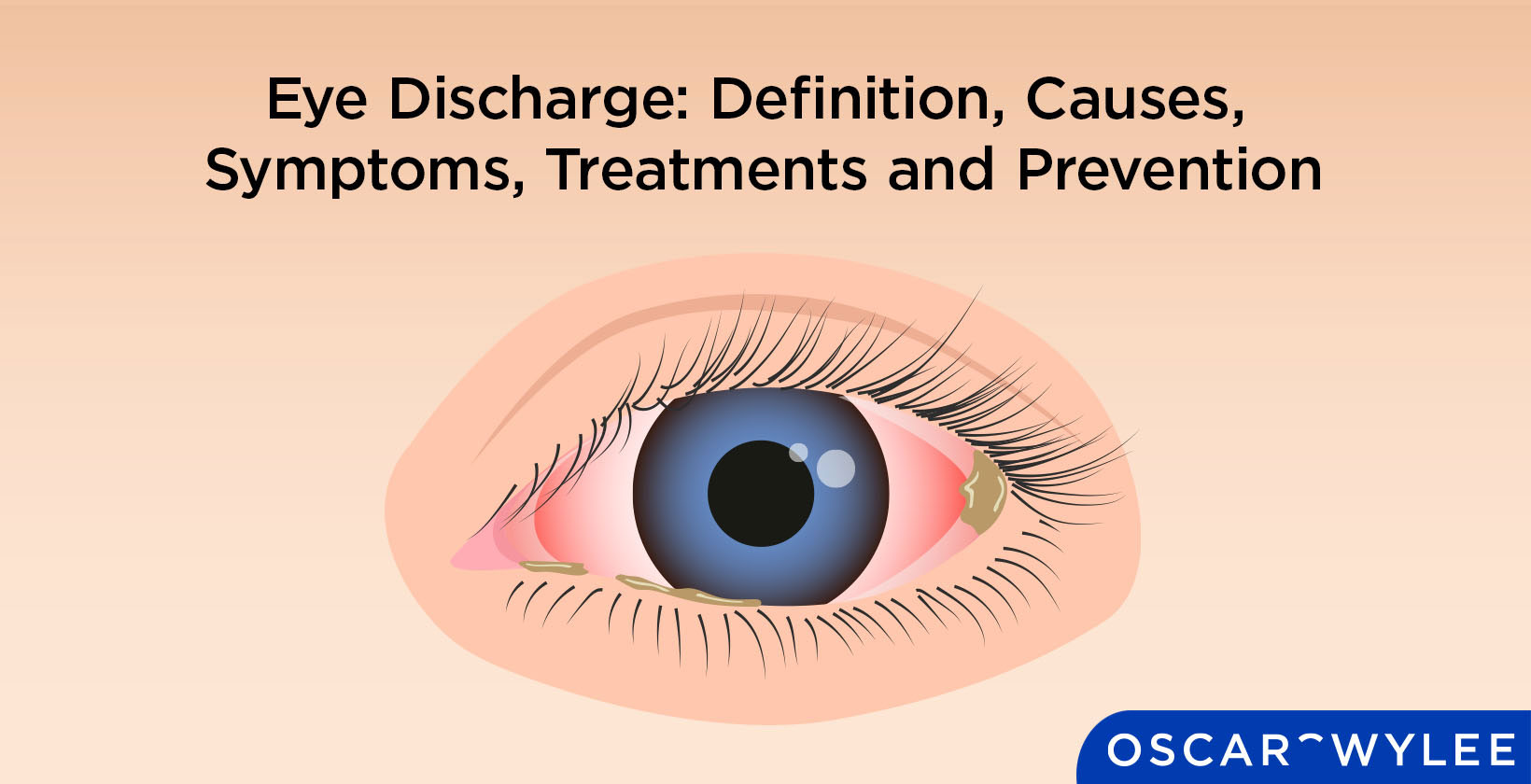
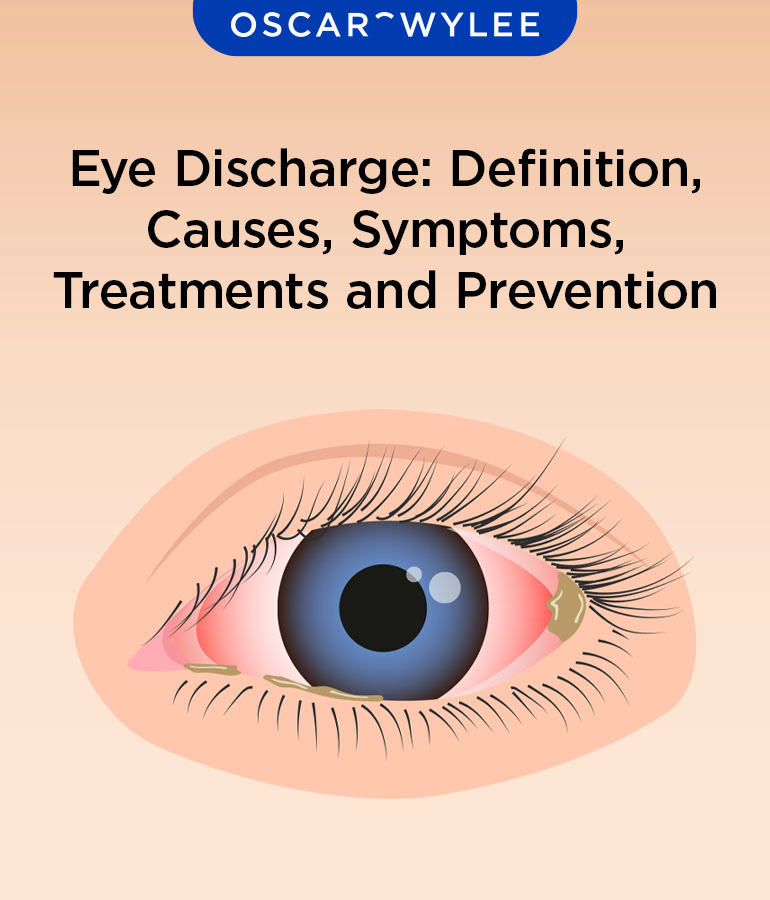
Eye discharge is a combination of mucus, oil and dead skin cells that accumulate in the corners of your eyes and lashes when you wake up in the morning. Our eyes retain moisture by blinking, which helps with the even distribution of our tears and protection against irritants and debris. Therefore, as we sleep through the night and don’t blink, there is a natural buildup of mucus and oils. Eye discharge is typically clear or white; however, individuals may experience yellow mucus in the eye or excessive discharge and tears when developing eye infections. Eye discharge is a common and normal occurrence and does not necessarily require prevention.
What is Eye Discharge?
Eye Discharge is characterized as a thin and watery mucus that develops in the eye as a result of the eye’s way of protecting itself from irritants and maintaining its moisture. Eye discharge is made up of three components. The water, electrolytes and aqueous layer, which is secreted by the lacrimal gland; then the mucin layer, secreted by the conjunctival goblet cells; and oil, known as the lipid layer, secreted by the meibomian glands. All of these create a tear film that keeps our eyes moist. The conjunctival goblet cells, lacrimal glands and meibomian glands are just some of the structures that constitute the anatomy of the eye. When the eyes become infected by a virus or bacteria or develop an allergic reaction, they may generate excessive tears and yellow mucus.
How to Get Rid of Eye Mucus?
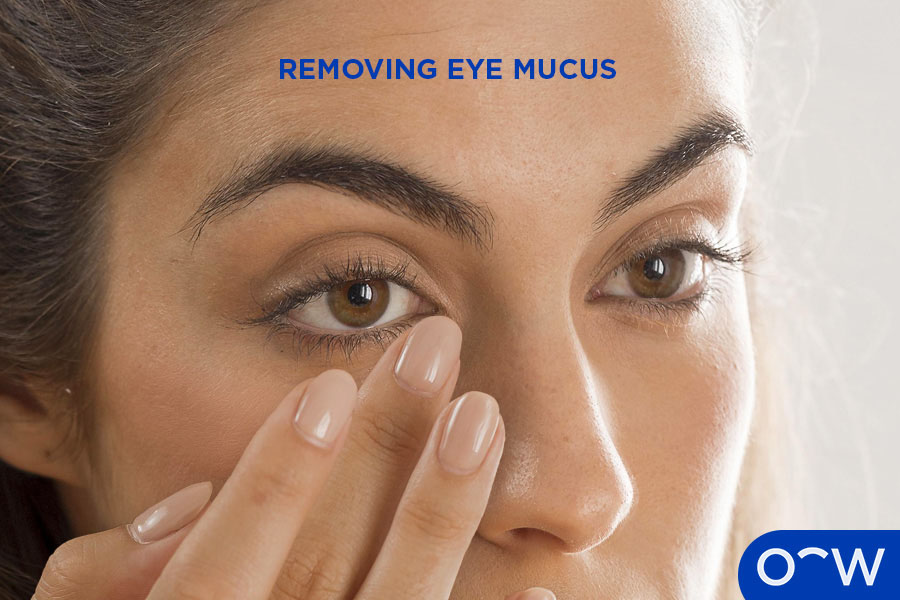
To get rid of eye mucus, you can easily remove it yourself by wiping your eyes with a damp cloth or by washing your face. Getting rid of eye mucus is generally done out of natural habit or because of the feeling that there is dried or sticky mucus in our eyes. However, getting rid of eye mucus that may occur from an infection could potentially require prescribed eye drops. The ways to get rid of eye mucus are listed below.
- Damp Cloth: Wiping your eyes with a damp cloth can assist with getting rid of the eye mucus, especially if it is dried and crusty.
- Wash Your Face: Wash your face after waking up in the morning while making sure the water reaches your eyes and eye corners to clear the eye mucus.
- Eye drops: Using eye drops prescribed by an optometrist may be needed for eye mucus that is caused by eye infections or allergies. However, this will depend on the severity of your symptoms and what the optometrist recommends.
Do Puffy Eyes Cause Eye Discharge?
No, puffy eyes do not cause eye discharge. Eye discharge is a natural result of the eye maintaining its moisture and cleanliness, or it can be a sign of an eye infection. Puffy eyes are typically a symptom or result of allergies, an eye infection or inflammation, lack of sleep, fluid retention, genetics and diet. Therefore, the symptom or condition of puffy eyes does not necessarily lead to the production of eye discharge; however, it can occur along with eye discharge depending on what condition you have.
Should You Remove Eye Discharge?
Yes, you should remove eye discharge. Removing eye discharge can help you look and feel clean and comfortable, as the eye discharge could feel irritating and may not look pleasant to the individual. Removing discharge may also assist with clearer vision. For eye discharge that is produced from an eye infection or allergies, it may especially feel uncomfortable; however, it is best to see an optometrist or local GP to get a professional check-up and treatment suited to your condition. Any removal yourself should be done with a clean tissue or cloth.
What Conditions Do Different Types of Eye Discharge Indicate?
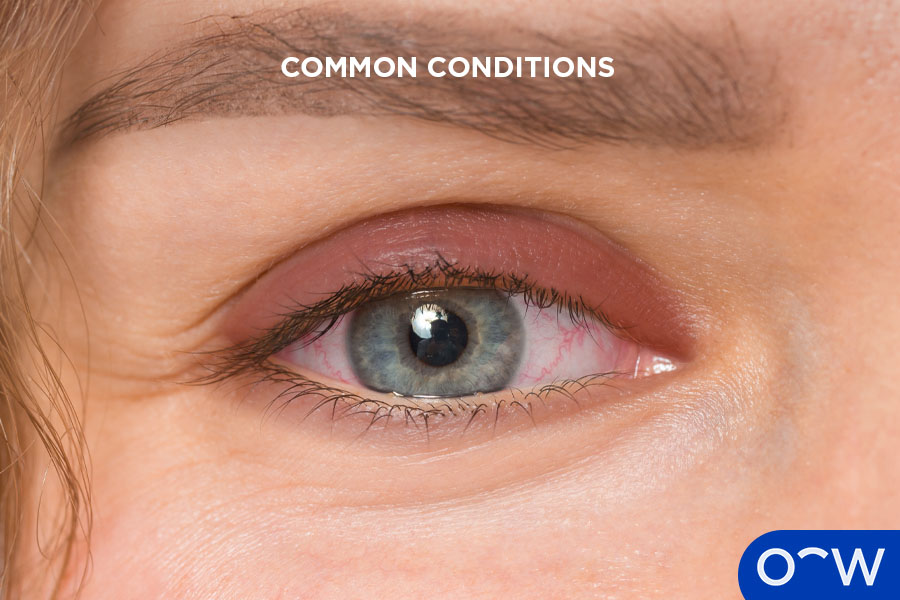
The different types of eye discharge can indicate different conditions such as pink eye (conjunctivitis), keratitis, blepharitis, stye, dacryocystitis and dry eye. It is important to note that sticky, yellow or greenish types of discharge are not necessarily exclusive to one type of eye condition and can occur in severe cases of many different eye conditions. However, there may be conditions where these eye discharge types are more likely to occur than in others. The different conditions and different types of eye discharge are listed below.
- Pink Eye (Conjunctivitis): Pink eye (conjunctivitis) is the inflammation or infection of the conjunctiva. Pink eye (conjunctivitis) can lead to excessive tears and, depending on the severity and cause, can produce discharge that is watery or mucus-like, white, yellow or green. Pink eye can be caused by a range of factors including bacterial infections, viral infections, allergies and irritants.
- Keratitis: Keratitis, also known as a corneal infection or corneal inflammation, is defined as inflammation in the cornea caused by an infection by bacteria or viruses or injury to the eye. Keratitis symptoms can include pain, redness, excessive tears, blurry vision and light sensitivity, and it can be either infectious or non-infectious. Keratitis can lead to eye discharge that is watery or sticky.
- Blepharitis: Blepharitis is an eye condition that causes inflammation of the eyelids due to bacteria and/or problems with the oil glands in the eyes. There are two types of blepharitis, anterior and posterior, which affect different parts of the eye and have different causes. Blepharitis can cause the eye to produce white, yellow or green discharge, which can cause a crusty residue when waking up.
- Stye: A stye is a small, painful lump typically on the lid margin of the eyelid and resembles the appearance of a pimple or boil. Styes usually develop as a result of a bacterial infection and can lead to eye discharge. A stye can cause eye discharge as a result of the eye trying to eliminate the irritant. The stye itself may also produce a white or yellow discharge caused by a buildup of unhealthy oils.
- Dacryocystitis: Dacryocystitis is characterized by inflammation in your tear duct system stemming from a pathway blockage in the sac. The blockage then hinders tears from moving through to the nasal passages, causing them to get stuck and become infected. This may then lead to the development of a watery-pus type of discharge.
- Dry Eye: Dry eye is a common condition that can be described as a lack of tears produced or an inadequate quality of tears, which can cause stringy mucus. This disrupts the eye's ability to retain moisture, which is vital in protecting the eye from infections and debris.
What are the Common Causes of Eye Discharge in Adults and Children?
The common causes of eye discharge in adults and children are contact lenses, eye allergies, eye infections, blocked tear ducts, eye injuries, corneal ulcers and dry eye. The common causes of eye discharge in adults and children are listed below.
- Contact Lenses: Contact lenses are thin, clear disks that you wear on the surface of your eye to help correct vision problems. Contact lenses pose a risk for developing eye infections, allergic reactions to the lens material and dry eyes, which can then lead to eye discharge.
- Eye Allergies: Eye allergies are reactions to certain substances known as allergens that can get into your eyes and lead to excessive tears and discharge.
- Eye Infections: Eye infections can be caused by viruses or bacteria and can result in eye discharge along with other symptoms in or around the eye.
- Blocked Tear Ducts: A blocked tear duct is when tears are not able to drain properly from the eye, which can cause excessive water in the eyes and discharge.
- Eye Injury: Eye injuries can include bruising or scratches to the eye and foreign objects or substances entering the eye. This can cause the eyes to generate watery discharge as a way of protecting themselves.
- Corneal Ulcer: A corneal ulcer is an open sore on the cornea, which is the clear part of the eye that covers the coloured tissue, known as the iris and may lead to eye discharge among other symptoms.
- Dry Eye: Dry eye can be a result of an insufficient amount or poor quality of tears, which can cause dryness in the eye and the production of eye discharge.
How Do Infections and Allergies Contribute to Eye Discharge?
Infections and allergies contribute to eye discharge by triggering the eye’s protective response to irritants, causing the eyes to produce excessive tears and eye discharge. When the eye is infected or when your eye allergies are triggered, your eyes will respond by eliminating the substance; therefore, secreting more tears in order to flush the eye. Eye discharge is a result of the increased tear flow and, in certain eye infection cases, can cause yellow mucus in the eye.
What Environmental Factors Can Cause Eye Discharge?
The environmental factors that can cause eye discharge are irritants and debris. Irritants and debris can include mould, pollen, cigarette smoke, pet dander, general pollution, scattered pieces of rubbish, dirt and sand. These environmental factors can lead to eye discharge as they can get into the eye and trigger the eye’s defence response of producing more tears and discharge.
What Symptoms Often Accompany Eye Discharge?
The symptoms that often accompany eye discharge can include redness, eye pain, excessive tears and swelling. The symptoms that often accompany eye discharge are listed below.
- Redness: Redness in the eye can often accompany eye discharge when the eye is infected, injured or irritated due to the blood vessels enlarging.
- Eye Pain: Eye pain can develop along with eye discharge and typically occurs when debris enters the eye or injuries occur. Eye pain can range from mild to severe depending on the cause.
- Excessive Tears: Excessive tears are a common symptom that can ensue along with eye discharge during most eye conditions as part of the eye’s natural reaction to infection, allergies or injury.
- Swelling: Swelling may accompany eye discharge depending on the condition you have but can typically take place as part of the inflammatory process.
How Can Eye Discharge Indicate More Serious Eye Conditions?
Eye discharge may not indicate serious eye conditions, as it only occurs in certain eye conditions. Having some eye discharge, especially when you wake up in the morning, is normal. However, yellow eye discharge or greenish eye discharge can be an indication of an infection or inflammation in the eye. Additionally, if you are experiencing a lot more of eye discharge than you normally do, it is recommended that you see an optometrist so they can assess your symptoms.
How is Eye Discharge Diagnosed by Healthcare Professionals?
Eye discharge may be diagnosed by healthcare professionals by looking at the amount, texture and colour of the discharge, as well as observing the structures of the eye to complete the diagnosis. A healthcare professional or optometrist may only need to diagnose your eye discharge if you are experiencing an unusual amount, colour or texture. A healthcare professional may collect a swab of the discharge; however, this may not be done at every clinic. You can get your symptoms evaluated by an optometrist or doctor, and they will be able to advise the most suitable treatment according to your condition.
Why is Medical Evaluation Important for Persistent Eye Discharge?
Medical evaluation may be important for persistent eye discharge as it could signify an underlying infection or inflammation of the eye. Eye discharge may be persistent due to allergies or conjunctivitis and is not typically considered a high-risk problem. If you are experiencing difficulty opening your eyes due to sticky eye discharge, you should see your optometrist or healthcare provider for an eye evaluation, as you may require antibiotic eye drops.
What are the Standard Treatments for Managing Eye Discharge?
The standard treatments for managing eye discharge are artificial tears, antibiotic eye drops, antihistamine eye drops and occasionally steroid eye drops. However, this will depend on the cause. It is important to note that treatment for eye discharge may not always be necessary, as certain cases stem from viral infections and will typically heal on their own without medical intervention. If you have eye discharge along with other eye infection or inflammation symptoms, you should see an optometrist in order to have suitable eye drops prescribed. The standard treatments for managing eye discharge are listed below.
- Artificial Tears: Artificial tears, also referred to as lubricating eye drops, are types of eye drops that help restore moisture to the eyes and reduce dryness. Artificial tears can be helpful for dry eye and therefore help treat eye discharge that is caused by dry eye.
- Antibiotic Eye Drops: Antibiotic eye drops are a type of medicated eye drops that generally treat eye infections caused by bacteria. Eliminating the bacteria first should reduce the symptoms of eye discharge, excessive tears, redness, itching and pain.
- Antihistamine Eye Drops: Antihistamine eye drops are a type of medicated eye drops that specifically aid in treating eye allergy symptoms, including the eye discharge that occurs as a result.
Are There Home Remedies or Care Tips for Mild Eye Discharge?
Yes, there are home remedies and care tips for mild eye discharge. The home remedies and care tips that can help with mild eye discharge include keeping your eye area and hands clean. It can be helpful to make a warm compress to prevent the buildup of sticky discharge, eye boogers or crust and to gently wipe your affected eye(s) with a clean, damp cloth. Care tips such as minimizing touching your face, cleaning any eyewear and regularly washing your hands are important in preventing further complications that can lead to increased eye discharge. Ensure you do not share facecloths and towels, and change your pillowcases regularly.
How Can One Prevent Eye Discharge?
You can prevent eye discharge by maintaining habits such as washing your hands and avoiding touching your face to reduce the risk of spreading any germs. However, the eye discharge that you find around your eyes when waking up in the morning does not require prevention, as it is a result of the eye’s self-cleaning process.
What are the Best Practices for Maintaining Eye Hygiene?
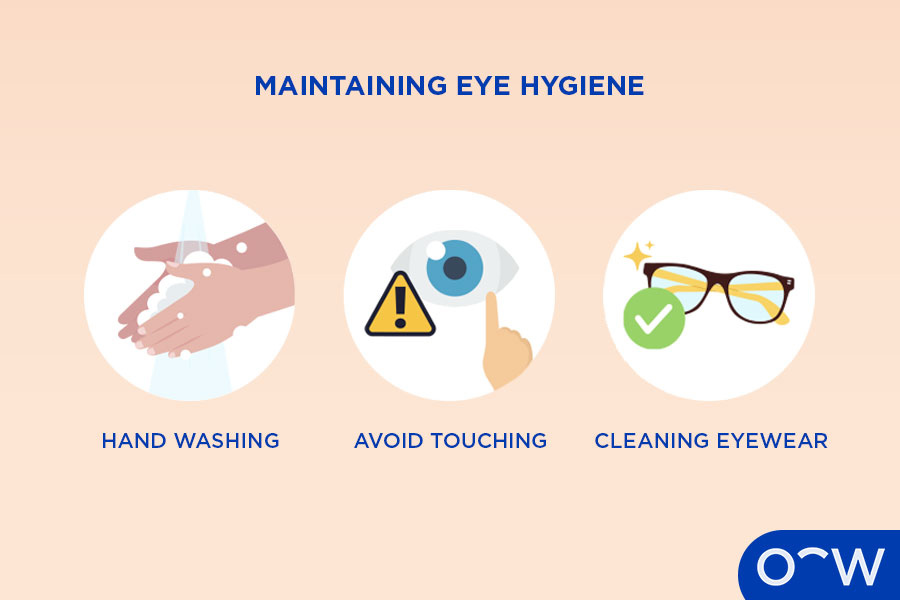
The best practices for maintaining eye hygiene are washing your hands, avoiding touching your eyes and taking proper care of your contact lenses. The best practices for maintaining eye hygiene are listed below.
- Wash your hands often: Keeping good hygiene by regularly washing your hands helps to prevent the bacteria or viruses causing eye infections from developing.
- Avoid touching your eyes: It can be helpful to avoid touching your eyes to stop any dirt or germs that you may have on your hands from getting into the eye.
- Take proper care of your contact lenses: Ensure you take proper care of your contact lenses by cleaning them with their designated solution before and after each use.
When Should You Consult a Doctor for Eye Discharge?
You should consult a doctor for eye discharge if it is yellow or green or occurring persistently. It is important to note that not all eye discharge requires medication and may only need medical attention if the colour, texture or frequency is abnormal and if you are having difficulty opening your eyes. Additionally, if you are concerned about your symptoms or if your child has symptoms, you can see an optometrist or your local healthcare provider. They can conduct an eye checkup for you as well as eye checkups for children and will then be able to inform you of what the most suitable solution is according to your condition or your child’s condition.
What are the Possible Complications of Untreated Eye Discharge?
While there may not be complications of untreated eye discharge itself, untreated or recurrent eye discharge could indicate an untreated eye infection or condition that may have complications. It is best to contact your optometrist or medical doctor for advice. Bacterial conjunctivitis can, in some cases, require antibiotic eye drops to treat the bacterial infection. Viral conjunctivitis and allergies that lead to eye discharge, on the other hand, do not always call for treatment, as symptoms can alleviate on their own.
How is Eye Discharge Managed in Infants and the Elderly?
Eye discharge can be managed in infants and the elderly by maintaining cleanliness around the eyes and avoiding rubbing or touching the eyes. When the eye discharge is caused by an eye infection, you can use a clean and damp cloth to remove excess discharge, or follow advice from a medical practitioner. However, eye discharge that you find when you wake up does not require special management and can easily be removed by rinsing your face.
Does Eye Discharge Cause Pain?
No, eye discharge does not cause pain. Eye discharge is not a condition itself that causes pain but rather a symptom and can accompany pain during certain eye conditions. Eye conditions such as pink eye (conjunctivitis), keratitis, blepharitis, stye, dacryocystitis and dry eye are cases where you can develop eye discharge and experience eye pain.
Read Eye Discharge: Definition, Causes, Symptoms, Treatments and Prevention in other Oscar Wylee regions and their languages.
Canada